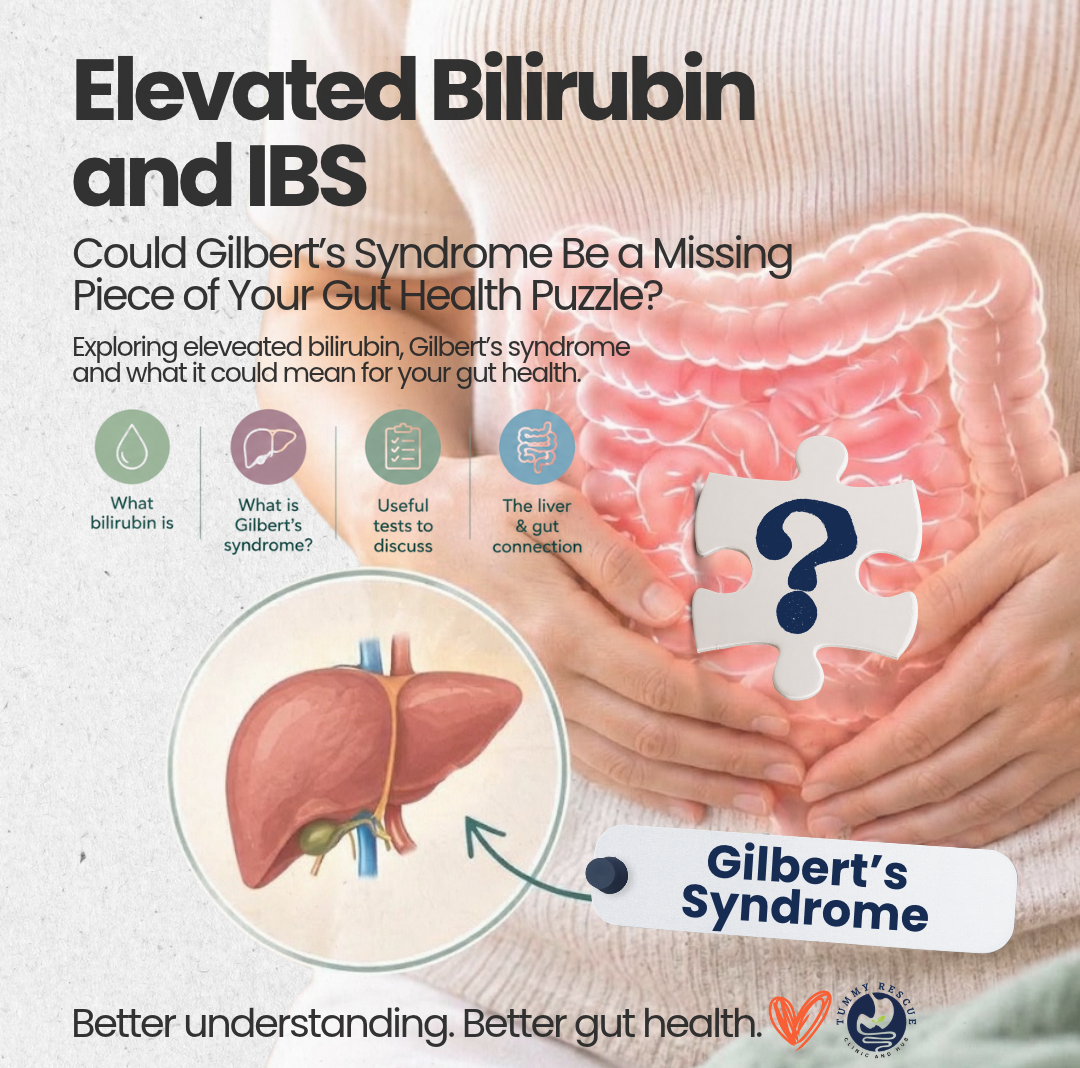
Elevated Bilirubin and IBS: Could Gilbert’s Syndrome Be a Missing Piece of Your Gut Health Puzzle?
Have you ever had a blood test come back with elevated bilirubin, only to be told not to worry about it?
And perhaps you have ongoing bloating, abdominal discomfort, changes in bowel habits or fatigue, and you have been diagnosed with irritable bowel syndrome (IBS).
One possibility worth exploring is Gilbert’s syndrome, a common inherited condition that affects how the liver processes bilirubin. Although it is usually harmless and doesn't require treatment, understanding how it works can help you better interpret your blood test results and the liver's role in your overall health.
As a naturopath passionate about gut health with more than 20 years of clinical experience, I believe it is important to look beyond a single symptom or test result. Your gut, liver, nervous system and gut microbiome work together, and understanding these connections can help you ask better questions about your health.
So, what exactly is bilirubin? What does Gilbert’s syndrome mean? And could there be a connection with your gut symptoms?
Let's explore what we know.
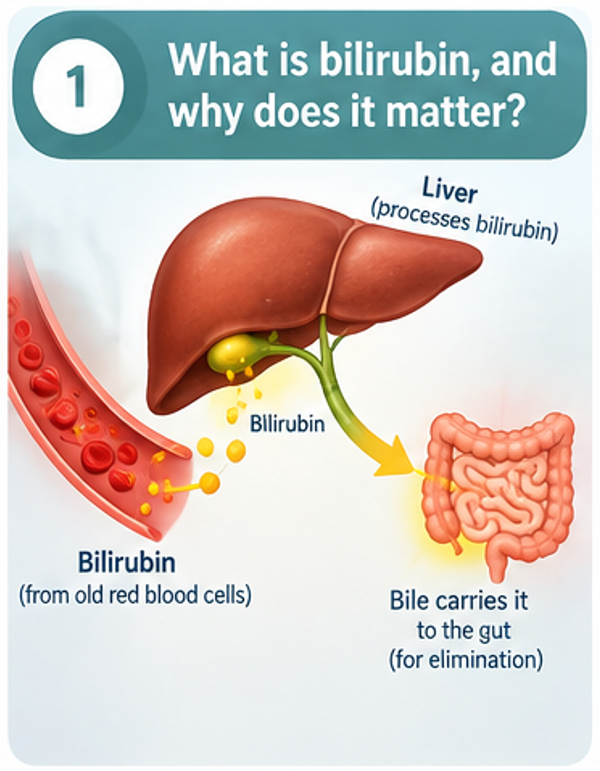
Bilirubin is a yellow pigment produced when your body breaks down old red blood cells. It is a normal part of the body's waste-processing system.
Once bilirubin enters the bloodstream, it travels to the liver. Here, an enzyme helps change bilirubin into a form that can be released into bile, it is called bound or conjugated bilirubin. Bile carries it into the digestive tract, where it is eventually eliminated in your stool.
This process is important because your body needs to process and remove bilirubin efficiently.
When your blood test shows elevated bilirubin, it means there is more bilirubin in your bloodstream than expected. This can happen for several reasons, and the type of bilirubin that is elevated helps your doctor investigate the cause.
An elevated bilirubin result does not automatically mean you have liver disease. However, it should not be ignored or assumed to be harmless without appropriate assessment.
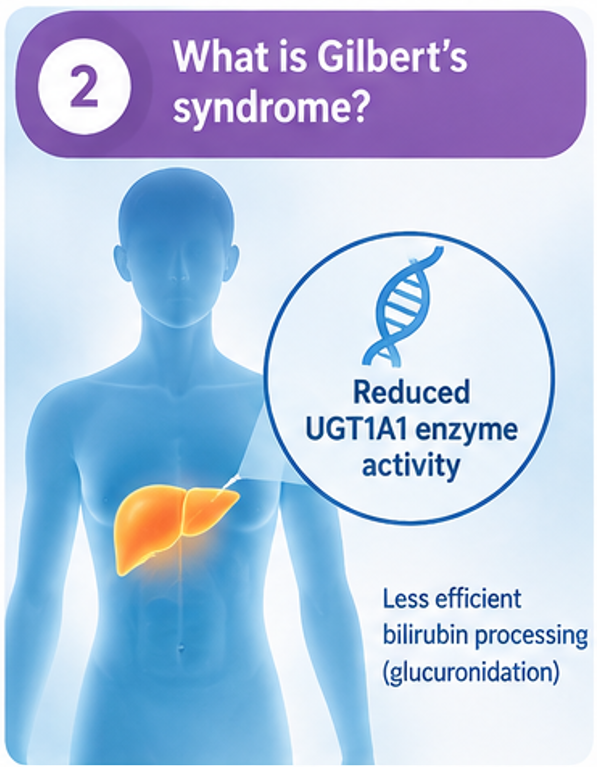
Gilbert’s syndrome is a common inherited condition that affects the way the liver processes bilirubin.
People with Gilbert’s syndrome have reduced activity of an enzyme that helps the liver process bilirubin through a process known as glucuronidation.
When this enzyme works less efficiently, bilirubin is not processed as quickly as usual. As a result, levels of unconjugated (unbound) bilirubin can rise in the blood.
Gilbert’s syndrome affects around 1 in 10 people in some populations, although this does vary. Many people never realise they have it until a routine blood test reveals elevated bilirubin.
The reassuring news is that Gilbert’s syndrome is generally considered benign. It does not usually cause liver damage, and most people do not need treatment.
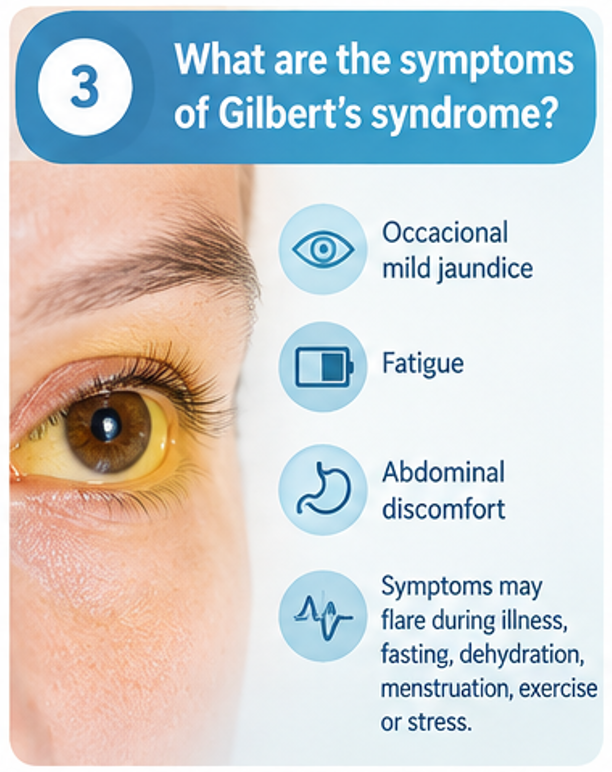
Most people with Gilbert’s syndrome have no obvious symptoms. The most recognised sign is occasional mild jaundice, which causes the whites of the eyes or skin to look yellow.
Bilirubin levels can fluctuate over time. In people with Gilbert’s syndrome, levels may rise during periods of illness, fasting, dehydration, menstruation, strenuous exercise or physical stress.
Some people also report fatigue, difficulty concentrating, abdominal discomfort or feeling generally unwell. However, these symptoms are not specific to Gilbert’s syndrome, and research has not established that Gilbert’s syndrome directly causes them.
This distinction matters. If you have fatigue, bloating or bowel changes, it is important not to assume that Gilbert’s syndrome explains everything. Other causes may need investigating with your GP, especially when symptoms are new.
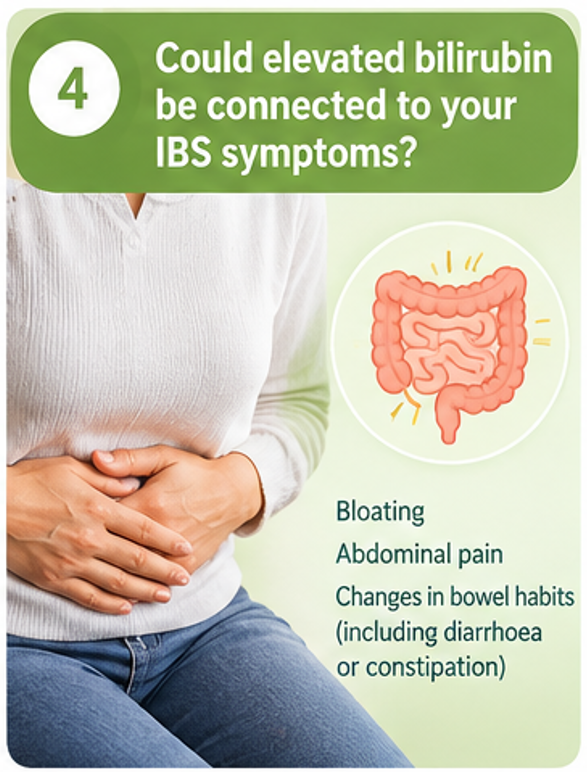
IBS is a complex condition involving interactions between the digestive tract, gut nerves, the brain and, in some people, the gut microbiome. Symptoms can include abdominal pain, bloating, excessive gas, diarrhoea, constipation or alternating bowel habits.
When you have persistent digestive symptoms, it can be helpful to look at the bigger picture and see how your whole body is working, as everything interacts with the gut.
Your medical history, blood test results, bowel patterns, diet, medications, stress levels and other health conditions all help build a more complete picture. This is why one supplement bought from your latest algorithm is unlikely to banish all your gut symptoms.
An elevated bilirubin result may be one piece of your health worth investigating.
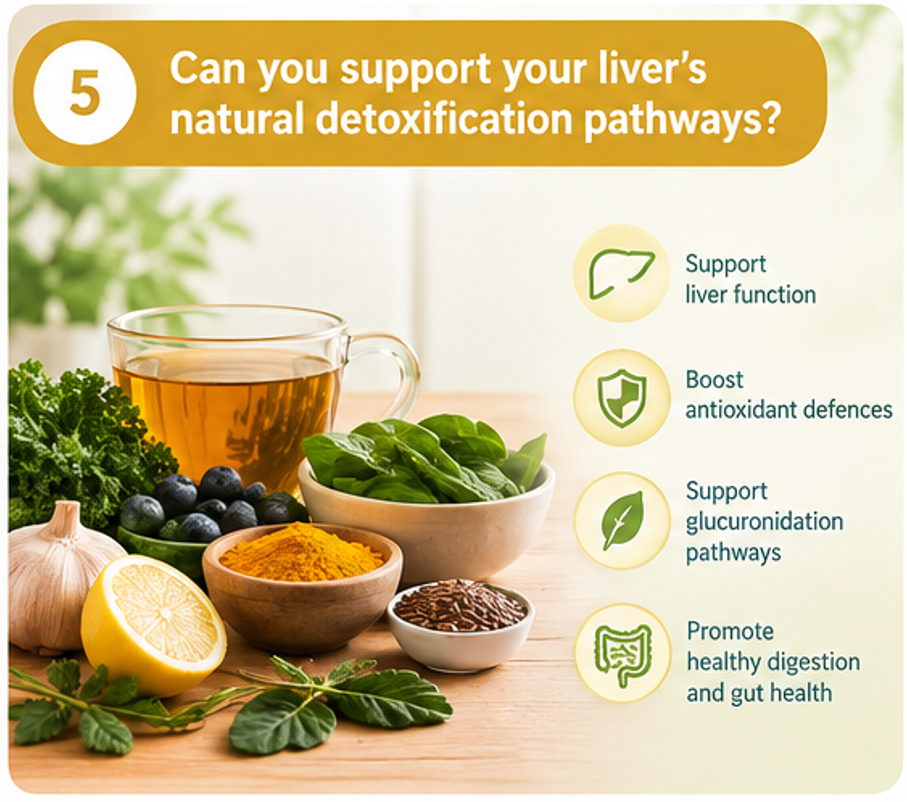
You can support your liver health and its function, and I have seen in clinical practice for this to lower patients bilirubin levels into the normal range and improve how they feel. (Please note I am supporting the whole person and not chasing these numbers alone).
Here are some diet & lifestyle suggestions to support liver health & bilirubin levels.
Eat regularly. Prolonged fasting and very low-calorie diets can increase bilirubin levels in people with Gilbert’s syndrome. Regular, adequate meals are generally a more sensible approach than aggressive fasting or restrictive dieting.
Stay hydrated. Dehydration can contribute to bilirubin fluctuations. Drinking enough fluid throughout the day is a simple way to support normal body function. This is also important to consider before your blood tests.
Eat a varied, balanced diet. Vegetables, fruit, whole grains or suitable alternatives, protein sources and healthy fats provide nutrients needed for normal metabolic processes. Your diet should also suit your digestive symptoms and nutritional needs.
Prioritise sleep and stress management. Stress and disrupted routines can influence wellbeing and digestive symptoms. A sustainable approach to sleep, movement and relaxation can support your overall health.
Review supplements and medications with a qualified practitioner. The same enzyme that is lower in Gilbert’s syndrome is involved in processing certain medicines. Some medications may require particular caution in people with Gilbert’s syndrome. Always tell your doctor and pharmacist about the condition before starting a new medicine or supplement.
Specific supplements can also be useful and provide additional support.
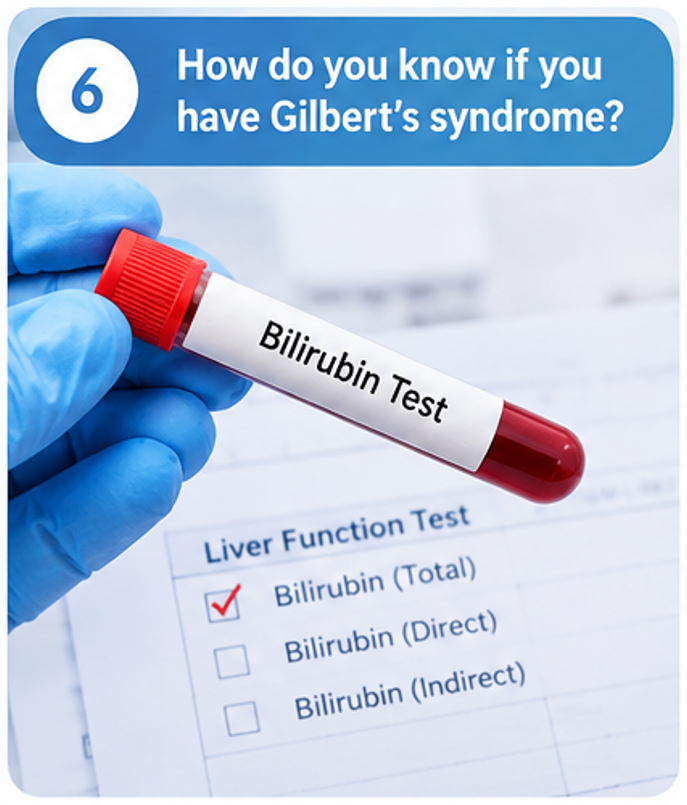
If your pathology results show elevated bilirubin, the first step is to discuss them with your GP.
A typical pattern in Gilbert’s syndrome is mildly elevated total bilirubin and elevated unconjugated (indirect) bilirubin, with otherwise normal liver enzymes and no evidence of increased red blood cell breakdown. We can test for this with a blood test called fractionated bilirubin.
It is important not to diagnose Gilbert’s syndrome yourself based on one elevated result. Bilirubin can rise for reasons other than Gilbert’s syndrome, and the appropriate investigation depends on the overall clinical picture.
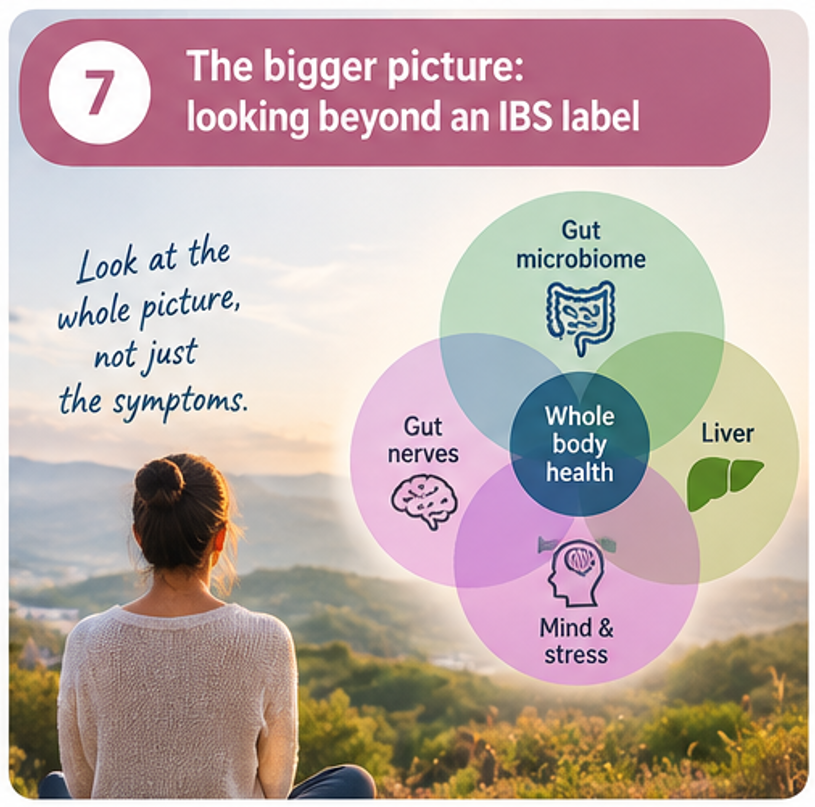
If you have been struggling with digestive symptoms for months or years, it is understandable to want to know whether something has been missed.
Gilbert’s syndrome is worth considering if you have unexplained elevated bilirubin, but it is not an established cause of IBS.
What you can do is take a broader view of your health.
As a naturopath who works predominantly with IBS, I encourage people to look at their digestive symptoms alongside their medical history, nutritional status, bowel habits, lifestyle and appropriate pathology investigations. Sometimes the most useful next step is not another supplement or restrictive diet, but a better understanding of what is actually contributing to the symptoms.
Your gut symptoms deserve a proper investigation, and your blood test results deserve to be understood in context.
If you have persistent bloating, abdominal discomfort, constipation or diarrhoea, start by discussing your symptoms and any abnormal blood results with your GP. From there, you can work with a naturopath like me to identify which factors are relevant to your individual situation.
I share more information about Elevated Bilirubin & Gilberts Syndrome inside the Tummy Rescue Hub, where members get support & professional guidance on their digestive symptoms.
You can just on the waitlist to hear about the next event, when the doors open & any exciting promotions we have coming up.
Just on the list here:
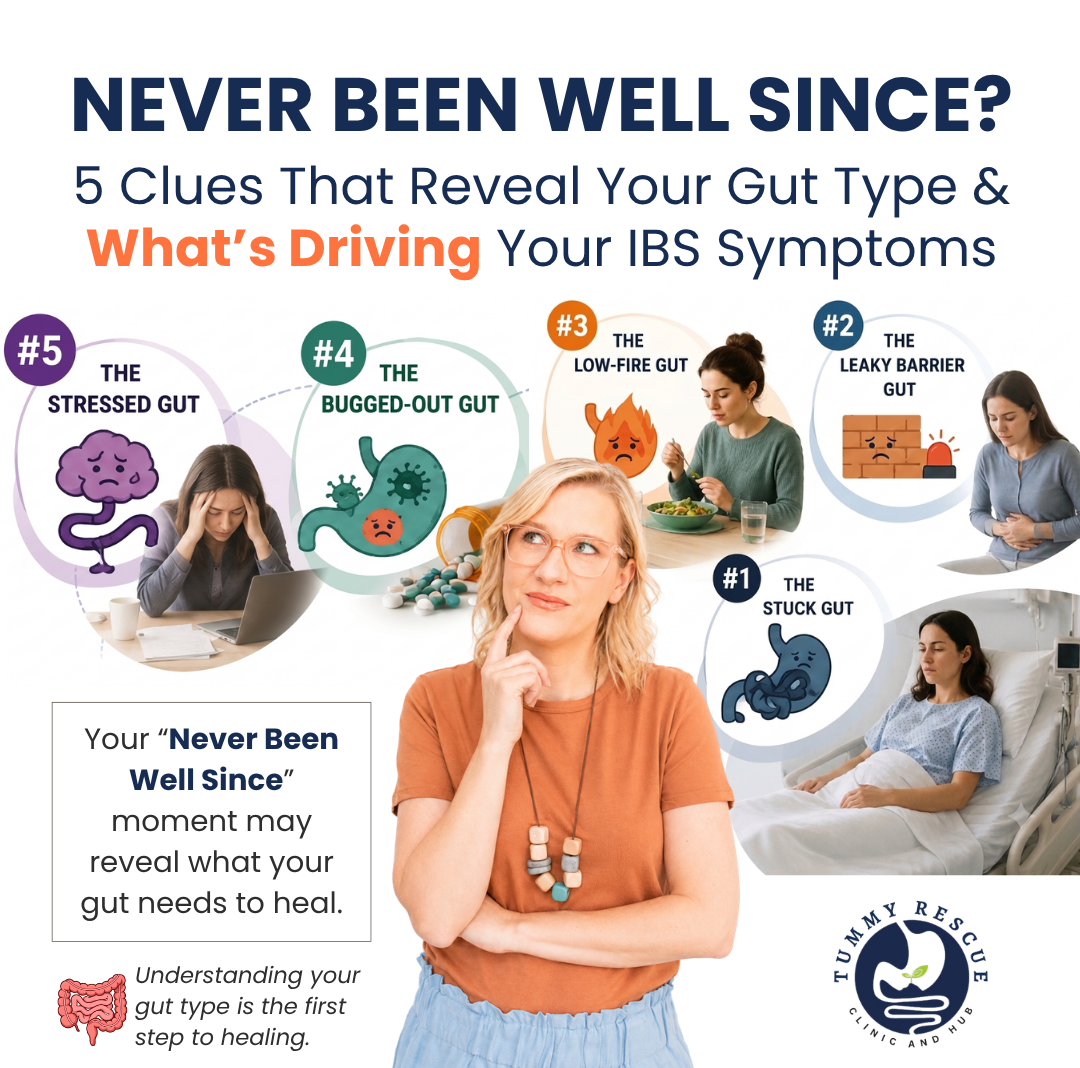
In the mean time, you can take the Gut Type Quiz, that gives insight into what area of your gut may need support.
More articles you might love:


Download my FREE E-book: 5 ways to reduce your bloating, pain & gas ☝️☝️☝️

The heartbeat
behind the work!
I am Danielle Elliott a qualified Naturopath and the owner of Tummy Rescue.
I have been helping kids & adults improve their health for over 20 years, with the last 16 years concentrating on helping patients with any kind of gut disorder. I began focussing on everything gut related after my husband was diagnosed with Crohn’s Disease. And lucky I did……as my husband and both our kids have Coeliac Disease and my daughter has a dairy protein allergy.
So…. I am well and truly where I am meant to be!
I love being able to help people to soothe and calm their symptoms, investigate the causes and support and improve their gut function.
I also get to write educational pieces to train practitioners and am often interviewed for podcasts and summits, which is another really rewarding part of my work. I love educating people (this is something I do in every consult), because I do believe knowledge is power. It gives you the tools to make the changes you need to!
So, when you opt-in to my E-book, you are beginning on a journey of learning and discovery, of how you can reduce your symptoms of bloating, gas & pain and improve your gut health.
I would be honoured to help you along the way.
Danielle ✖️🧡✖️🧡