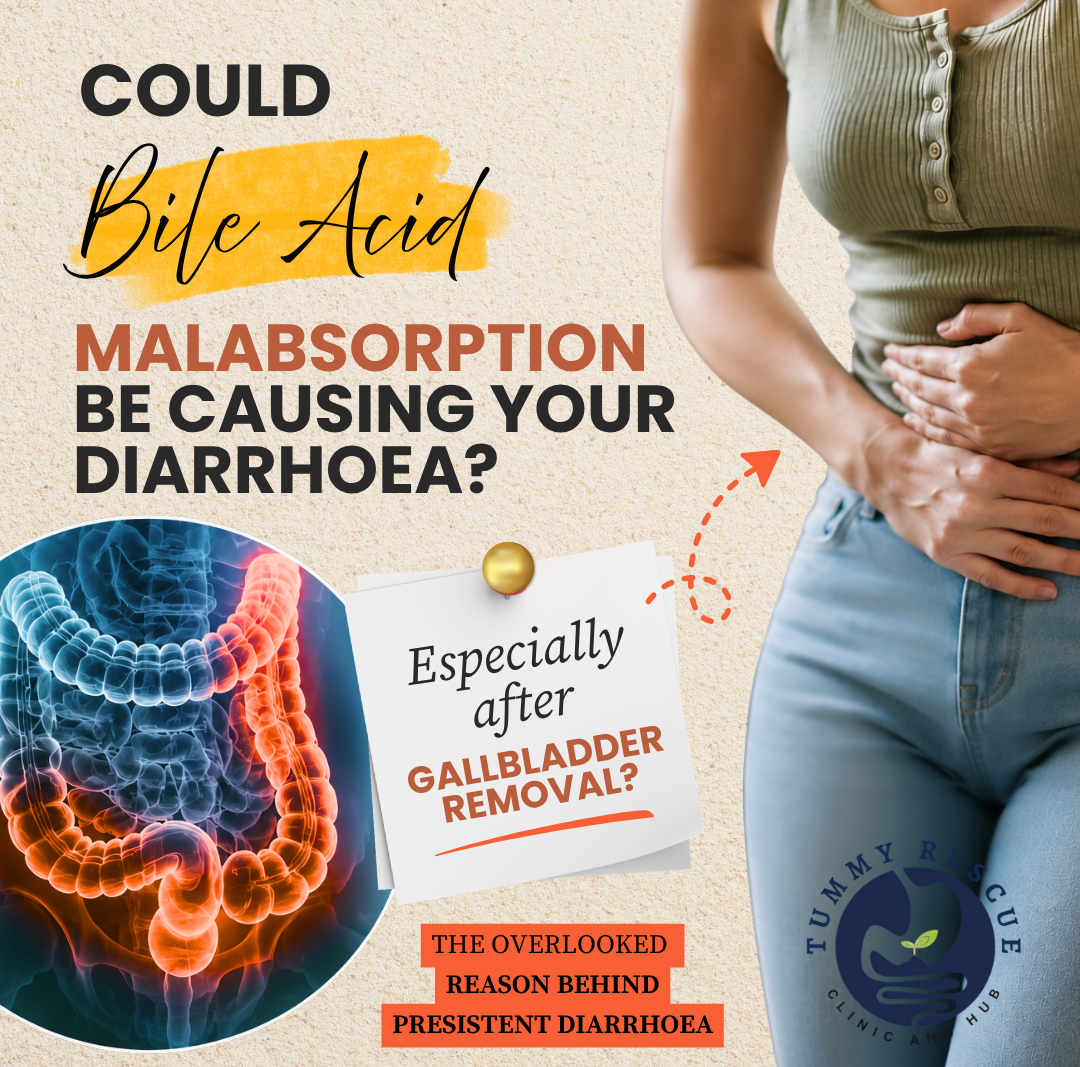
Could Bile Acid Malabsorption (BAM) Be Causing Your Diarrhoea? Especially After Gallbladder Removal
If you have persistent diarrhoea, urgency or loose stools — particularly since having your gallbladder removed — there may be another piece of the puzzle worth investigating: bile acid malabsorption.
If you've been told you have IBS-D, you've probably already spent plenty of time trying to work out what foods are triggering your symptoms. Maybe you've reduced dairy. Tried gluten-free. Cut back on FODMAPs. Added probiotics. Removed coffee. Changed your breakfast.
And yet… your bowel still seems to have a mind of its own.
One particularly frustrating symptom is diarrhoea with urgency — that feeling that when you need to go, you really need to go! No ifs or buts.
While IBS can certainly cause diarrhoea, other conditions can produce very similar symptoms.
One of these is bile acid malabsorption (BAM) and if you've had your gallbladder removed, this is especially worth knowing about and looking into.
As a naturopath who has specialised in gut health, IBS and SIBO for more than 20 years, I've seen how important it can be to look beyond the obvious diagnosis and consider why someone's gut is behaving the way that it is. I have seen how quickly putting support in place for BAM can transform the symptoms a patient is living with.
So let's talk about bile acid malabsorption …..
First… what are bile acids?
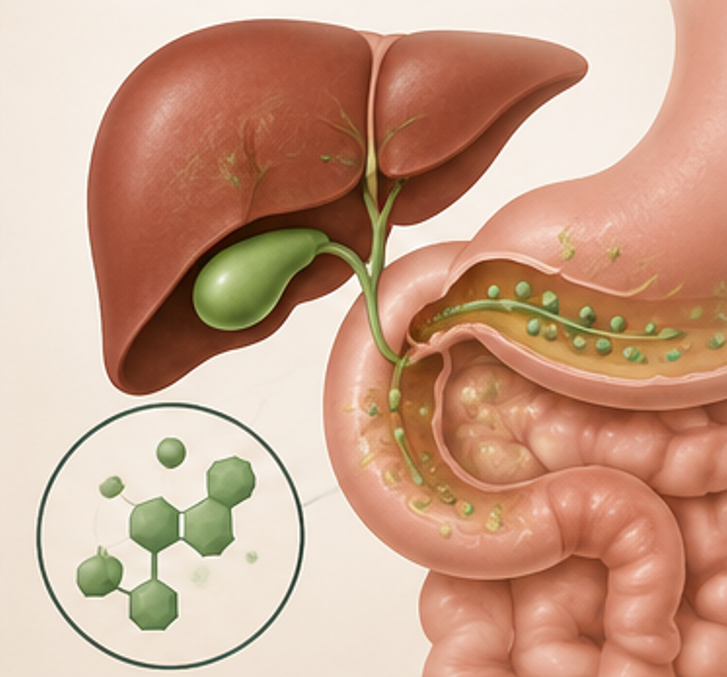
Bile is produced by the liver and contains bile acids, which play an important role in digestion. One of their main jobs is to help your body digest and absorb dietary fat and the fat-soluble vitamins A, D, E and K.
Your gallbladder acts as a storage system for bile. It stores and concentrates bile between meals and then releases it into the small intestine when you eat, particularly when a meal contains fat. After doing their job, most bile acids are reabsorbed in the small intestine and returned to the liver and are reused by your body (a very clever recycling system).
But what happens when that system doesn't work quite as it should?
What is bile acid malabsorption?
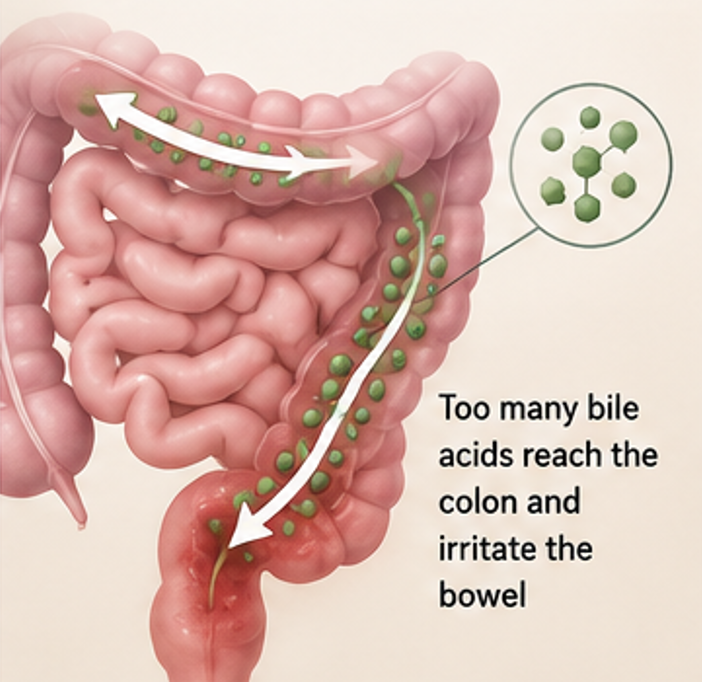
Bile acid malabsorption occurs when too many bile acids do not get reabsorbed in the small intestine and end up in the large intestine. The large intestine is not used to dealing with large amounts of bile acids. This irritates the gut lining and stimulates the secretion of fluids and leads to increased bowel motility.
In simple terms: Too many bile acids reach the colon → the bowel becomes irritated and stimulated → more water enters the bowel and things move through faster.
For some people, this can happen quite suddenly after eating.
Why can gallbladder removal be part of the story?
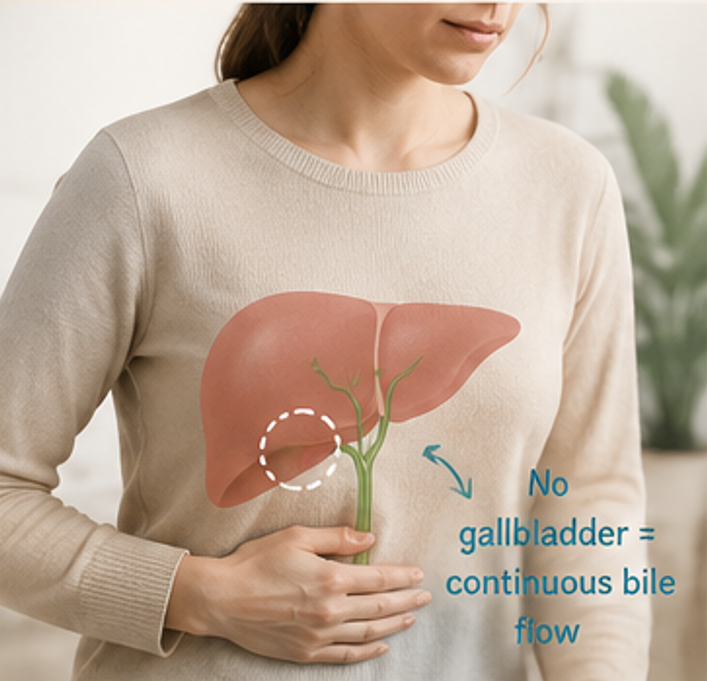
If you've had your gallbladder removed, your liver still makes bile — removing the gallbladder doesn't stop bile production. Without a gallbladder, bile isn't stored and then released after eating. Instead, bile can flow more continuously into the intestine.
Many people adapt to this without any significant ongoing problems. But for some people, this can contribute to excessive bile acids reaching the colon. And this can lead to ongoing diarrhoea, urgency and loose stools. Often this was never discussed with patients as a possible side effect, so they have no idea that it’s anything to do with their gallbladder being removed.
What does bile acid malabsorption look like?
BAM can look very similar to other causes of chronic diarrhoea, which is one reason it can be overlooked.
Possible symptoms include:
Frequent loose or watery stools
Urgency
Bowel movements soon after eating
Abdominal cramping
Bloating
Yellow or pale stool colour
Burning or irritation around the anus
Symptoms that seem worse after higher-fat meals
“But my doctor said I have IBS…”
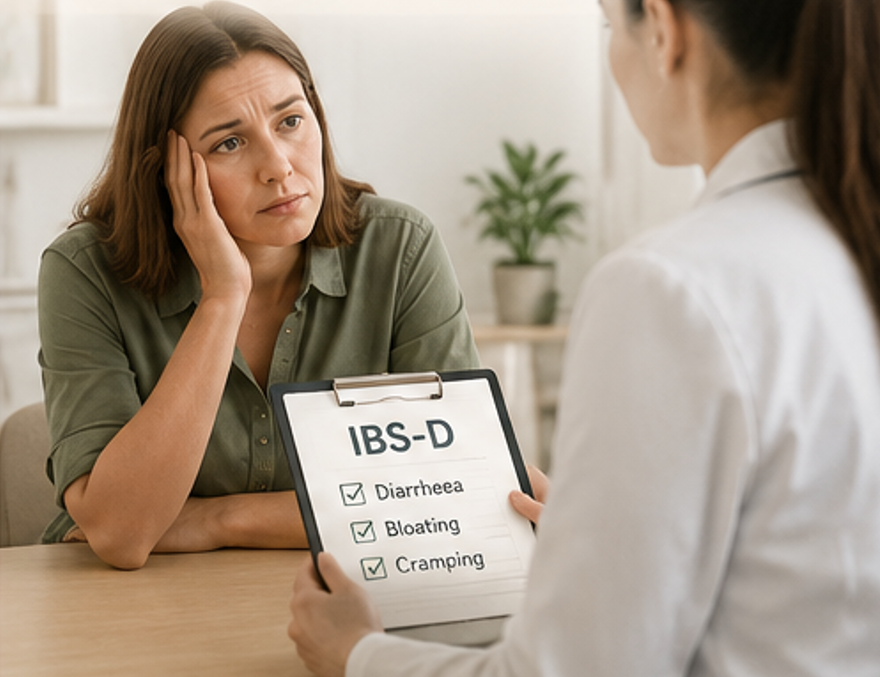
Bile acid malabsorption can produce symptoms that overlap considerably with IBS with diarrhoea (IBS-D). An IBS diagnosis doesn't necessarily tell us why those symptoms are happening. BAM is one of several conditions that can mimic or contribute to IBS-like symptoms.
Why is BAM so often missed?
There are several reasons.
1. The symptoms look like IBS
Diarrhoea, urgency, cramping and bloating aren't unique to BAM.
2. The connection with gallbladder removal isn't always made
If your surgery was several years ago, you may not even think to mention it when discussing your current bowel symptoms.
3. Testing isn't always straightforward
There are specific tests that can help investigate bile acid malabsorption, but availability varies depending on where you live, for example, in Australia. In most cases, clinicians may use the overall clinical picture and response to appropriate treatment alongside investigations.
4. Chronic diarrhoea has many possible causes
BAM is only one possible underlying cause.
Coeliac disease, inflammatory bowel disease, microscopic colitis, pancreatic insufficiency, infections, medication effects and other gastrointestinal conditions can also cause chronic diarrhoea.
That's why persistent diarrhoea shouldn't simply be assumed to be IBS.
So… what can you do about BAM?
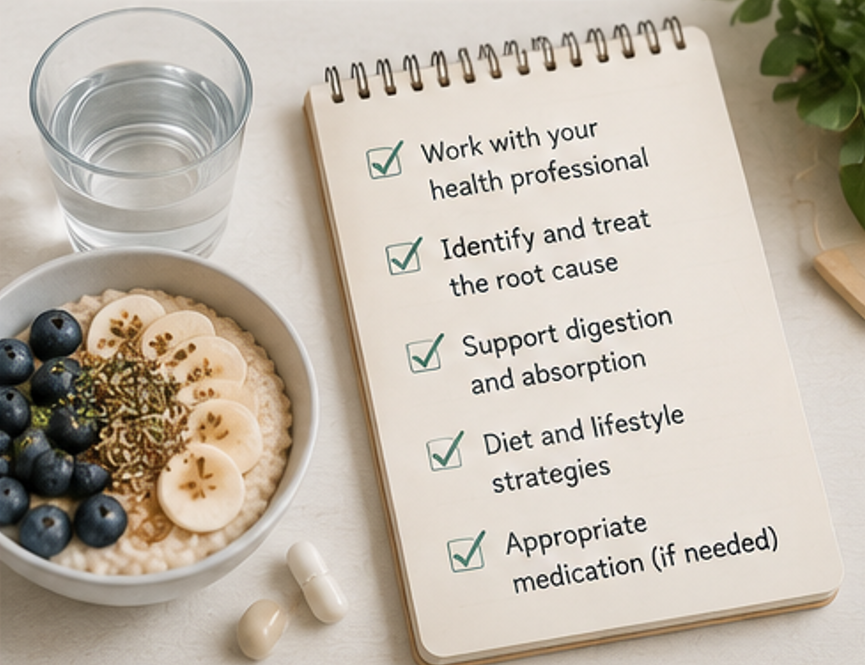
If excessive bile acids are reaching the colon and contributing to irritation, simply trying to identify more and more “problem foods” isn't necessarily the answer. The goal is to understand why the bowel is reacting, reduce the factors contributing to irritation and support healthier bowel function.
Diet can play an important role, particularly around the amount and distribution of dietary fat. There are also nutritional and supplement strategies that can be used to support stool consistency, bind excess bile acids and help soothe and support the intestinal lining.
This is exactly why I love looking at the “why” behind gut symptoms
After more than 20 years as a naturopath, and specialising in gut health for the past 16 years, I've become increasingly passionate about helping people understand that a gut symptom is a clue — not necessarily a diagnosis.
Diarrhoea isn't simply something to suppress with anti-diarrhoeal medication.
Want personalised help?
If you're dealing with ongoing diarrhoea, urgency, IBS-D or digestive symptoms following gallbladder removal, I can help you investigate the bigger picture and develop an individualised plan through 1:1 consultations at Tummy Rescue Clinic.
Or jump on the Tummy Rescue Hub waitlist, where we just released a masterclass and resources on BAM to go along with all the other resources that help members resolve their unique IBS or gut story.
More articles you might love:
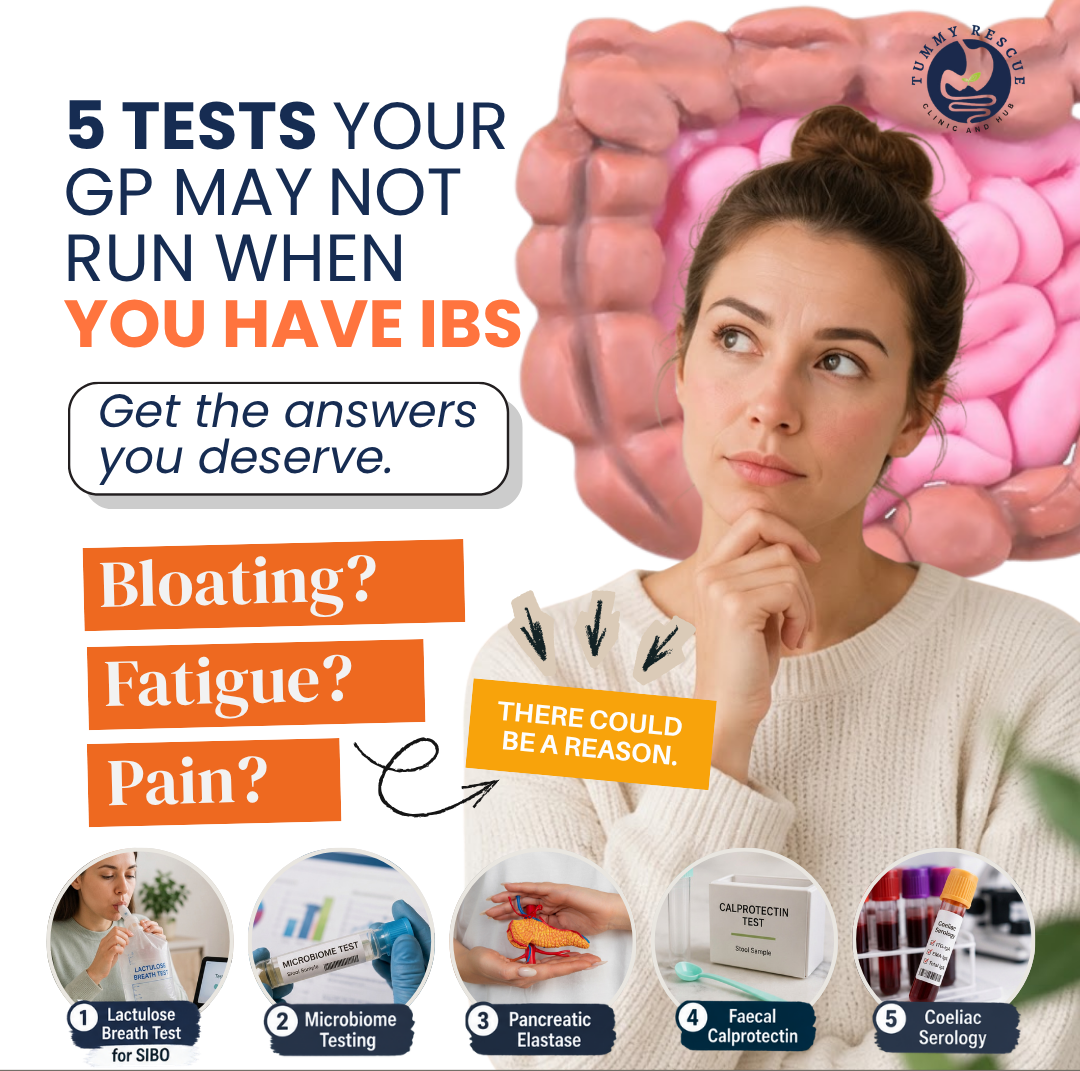
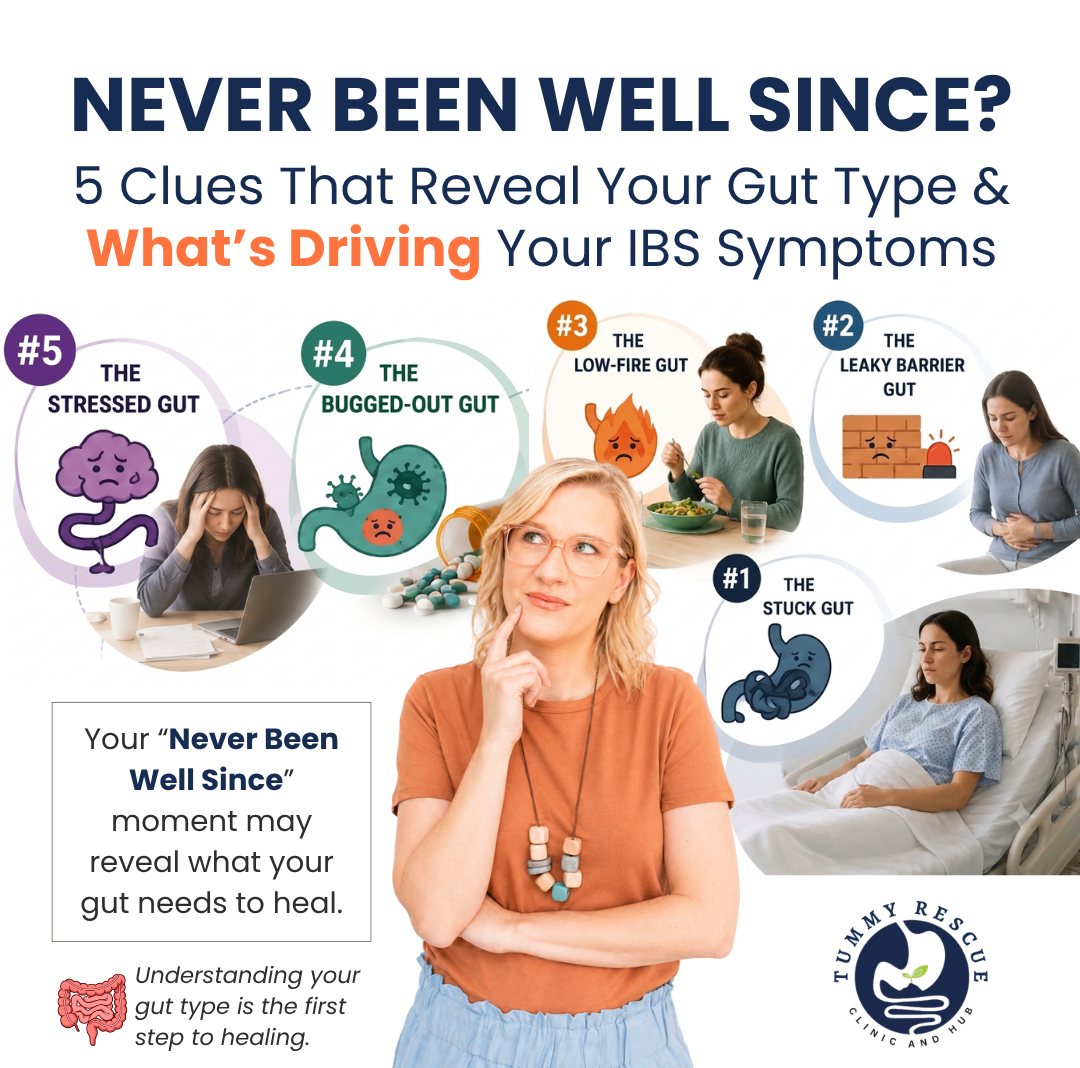
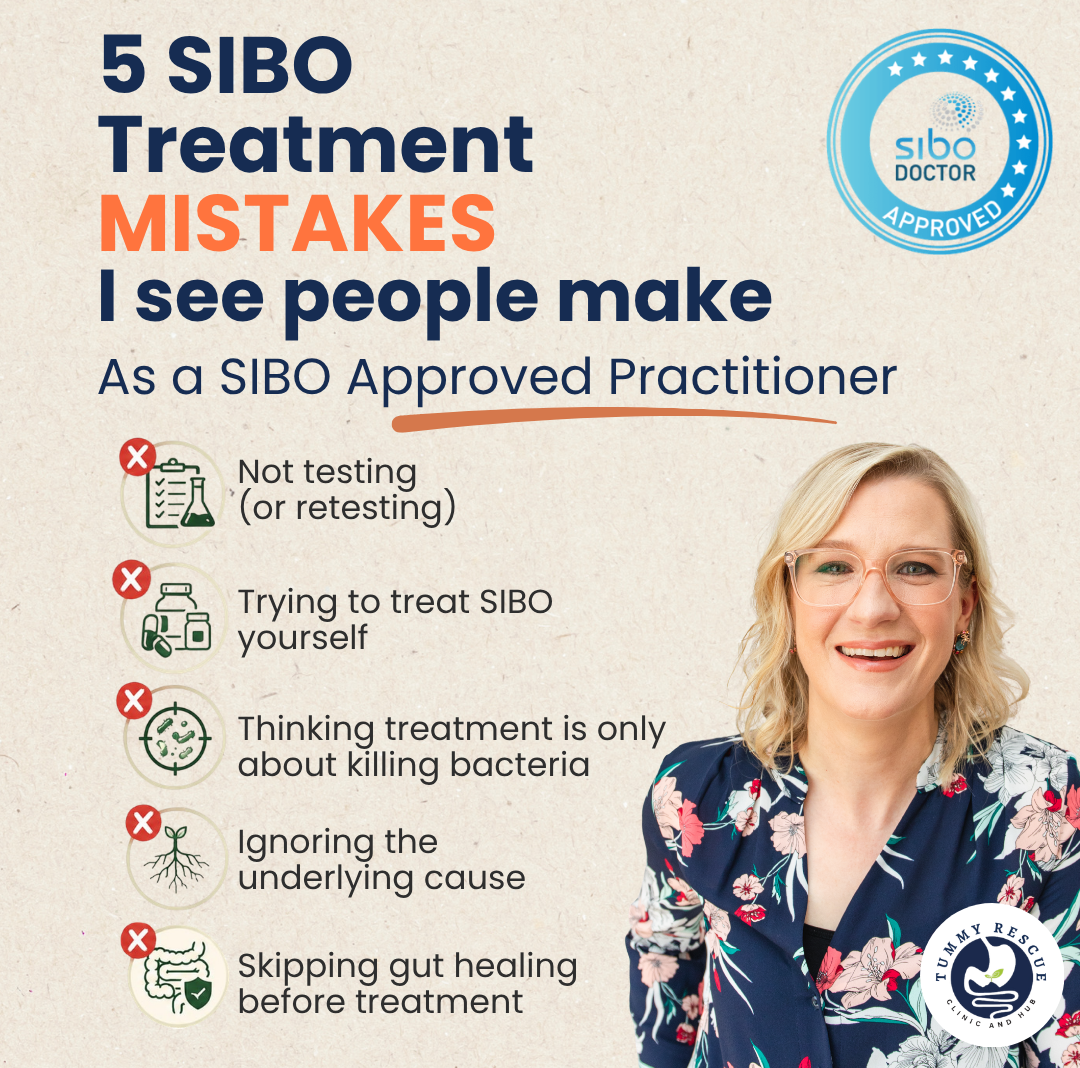

Download my FREE E-book: 5 ways to reduce your bloating, pain & gas ☝️☝️☝️

The heartbeat
behind the work! 💚✨
🌿
I am Danielle Elliott a qualified Naturopath and the owner of Tummy Rescue.
I have been helping kids & adults improve their health for over 20 years, with the last 16 years concentrating on helping patients with any kind of gut disorder. I began focussing on everything gut related after my husband was diagnosed with Crohn’s Disease. And lucky I did……as my husband and both our kids have Coeliac Disease and my daughter has a dairy protein allergy.
So…. I am well and truly where I am meant to be!
I love being able to help people to soothe and calm their symptoms, investigate the causes and support and improve their gut function.
I also get to write educational pieces to train practitioners and am often interviewed for podcasts and summits, which is another really rewarding part of my work. I love educating people (this is something I do in every consult), because I do believe knowledge is power. It gives you the tools to make the changes you need to!
So, when you opt-in to my E-book, you are beginning on a journey of learning and discovery, of how you can reduce your symptoms of bloating, gas & pain and improve your gut health.
I would be honoured to help you along the way.
Danielle ✖️🧡✖️🧡