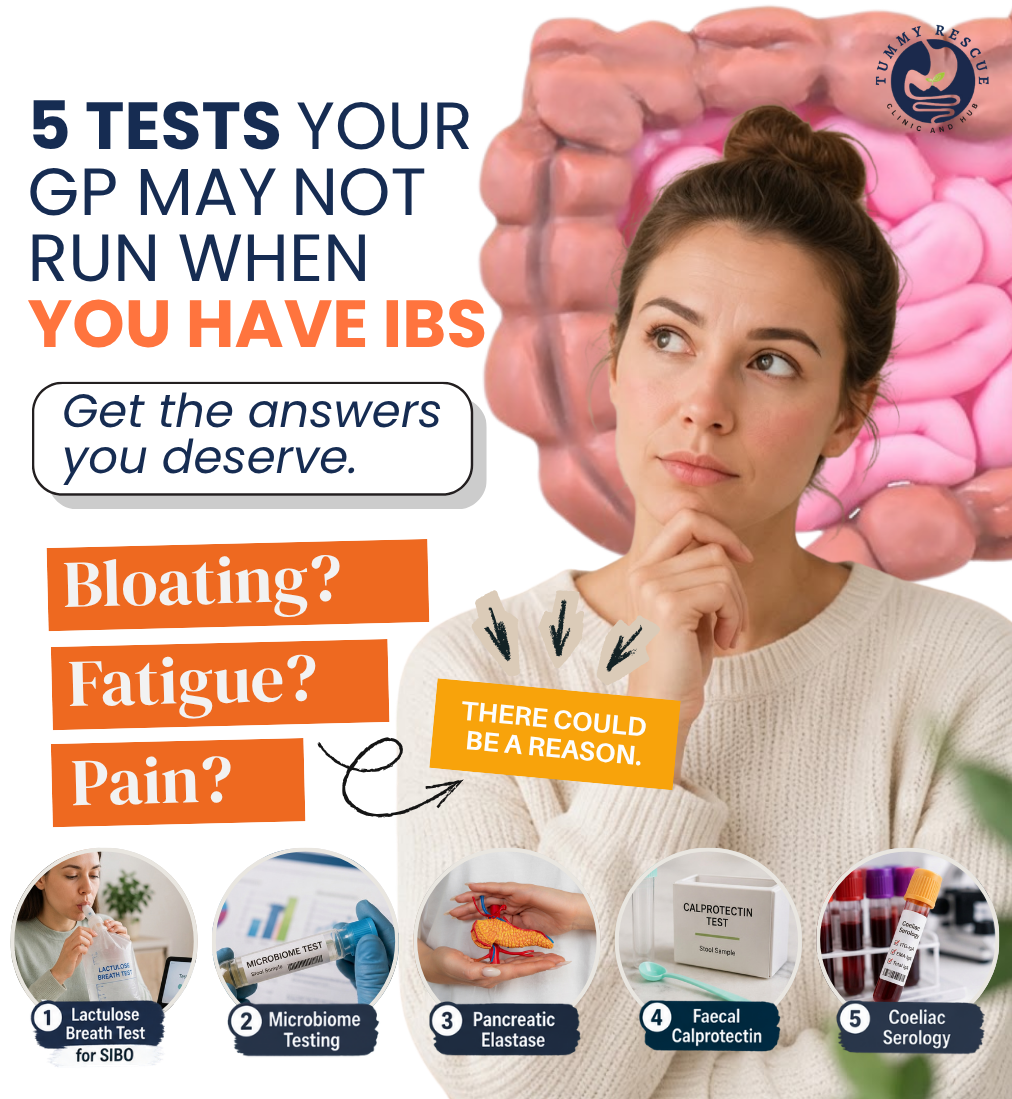
5 Tests Your GP May Not Run When You Have IBS
Think you have IBS but still feel like something is missing? Here are 5 tests worth knowing about.
If you've been diagnosed with IBS, you may have been told that your tests are “normal” and that there's nothing seriously wrong. And that's definitely reassuring in one way.
But if you're still experiencing bloating, abdominal pain, constipation, diarrhoea, excessive gas, reflux, food reactions or fatigue, you may understandably be wondering:
“Okay… but WHY do I feel like this?”
IBS is a diagnosis based on symptoms and the exclusion of other conditions. There isn't one blood test that tells you have IBS or what’s causing it.
And importantly, I'm not suggesting that everyone with IBS needs every test on this list. Your GP may absolutely have good reasons for not ordering some of them.
But after more than 20 years as a naturopath, including around 16 years specialising in gut health and IBS, I've found that sometimes these additional pieces of information can help us understand what's happening underneath the symptoms and how to best improve your gut function.
I've also completed advanced training with the Microba Institute in microbiome science and have lectured to Australian practitioners on IBS and SIBO.
So, let’s count down the five tests I think are worth knowing about.
5. Lactulose Breath Testing for SIBO
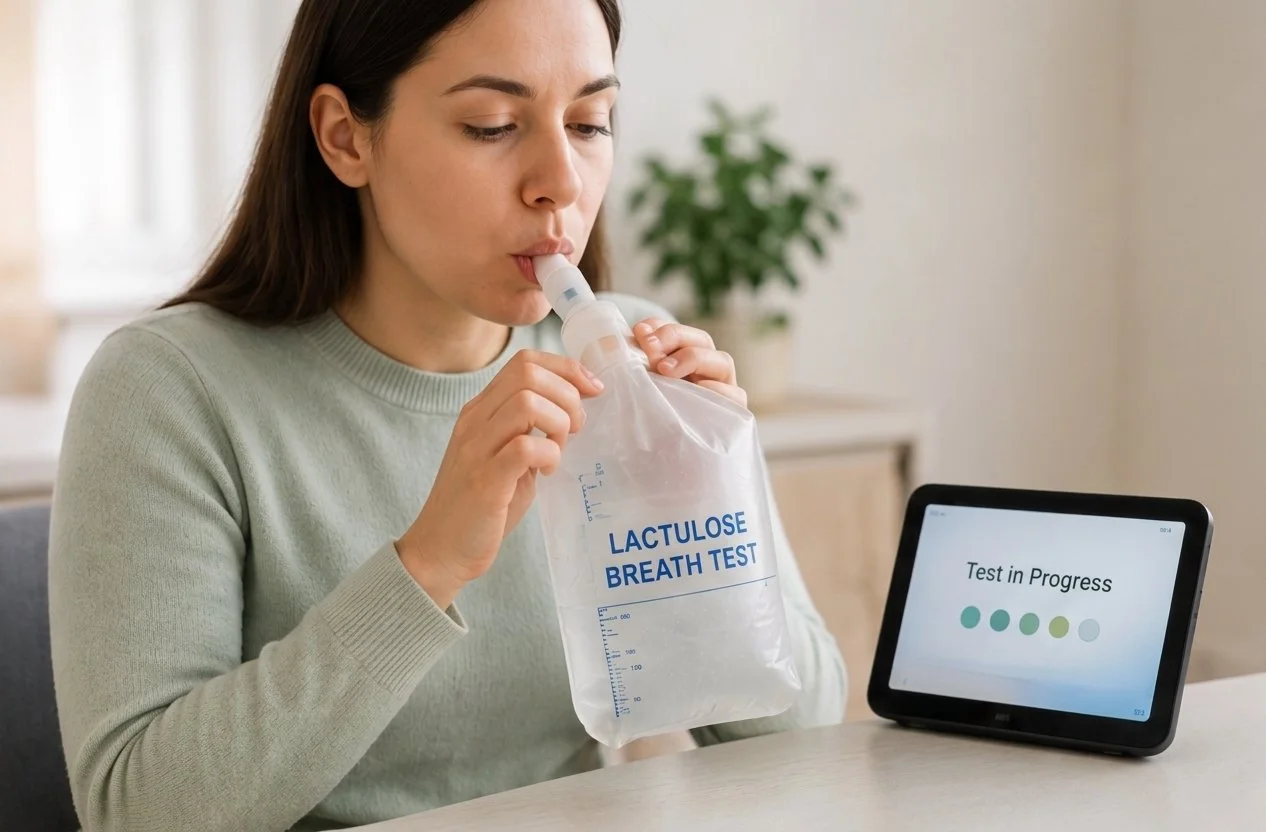
If you've had bloating, excessive gas, abdominal discomfort or changes in bowel habits, you may have heard of SIBO — small intestinal bacterial overgrowth.
A lactulose breath test can measure gases produced by microbes in your digestive tract after you drink a lactulose solution.
But here's something really important if you've already had a SIBO breath test:
What exactly did your test measure?
The North American Consensus recommends measuring hydrogen AND methane, as well as carbon dioxide, during breath testing.
I've seen people come to me with a “negative SIBO test” only to discover that their test measured hydrogen but didn't measure methane.
That's important because methane production can be associated with constipation and slower intestinal transit.
You also want to know:
Did you follow the correct preparation diet beforehand?
Did you fast for the recommended period?
Had you recently taken antibiotics?
Were the correct amounts of lactulose used?
Were both hydrogen and methane measured every 20 minutes for 3 hours?
Does the laboratory report and interpretation follow recognised consensus criteria?
The North American Consensus recommends avoiding antibiotics for four weeks beforeh testing, avoiding fermentable foods the day before, fasting for 8–12 hours and measuring hydrogen, methane and carbon dioxide.
So if you've been told your SIBO test was negative, don't automatically assume that means SIBO has been completely ruled out.
4. Microbiome Testing
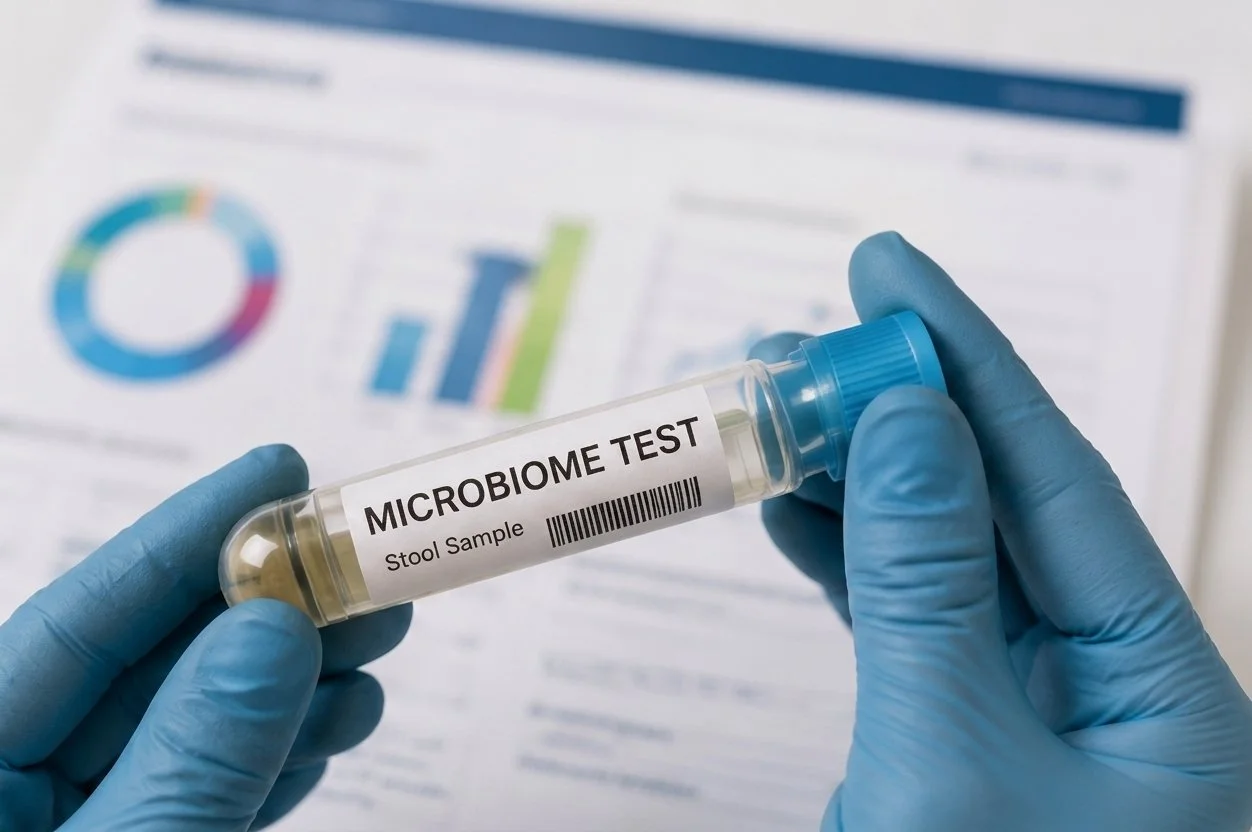
Your gut isn't just a digestive tube.
It's home to a huge community of bacteria, fungi, archaea and other microorganisms that interact with each other and with your body.
A comprehensive microbiome test can give us information about which microorganisms are present, their relative abundance, the diversity of the community and aspects of what that community may be capable of doing.
But not all microbiome tests are created equal. (Just like in the case of SIBO testing).
Some tests use older technologies that only look at a limited number of organisms; for example, they may look for a select list of 150 microbes.
More advanced shotgun metagenomic sequencing can analyse all the DNA in a stool sample and provide species-level information across the microbial community, along with information about microbial genes and metabolic pathways.
A good microbiome assessment should be looking at the microbiome as an ecosystem, rather than simply asking whether a handful of “good” or “bad” bacteria are present.
One important note: microbiome testing isn't a diagnostic test for IBS, and a test result shouldn't be interpreted as simply a list of bacteria that need to be “killed” or increased. The microbiome is complex, and results need to be interpreted by a knowledgeable practitioner in the context of your symptoms, history and overall health.
3. Pancreatic Elastase
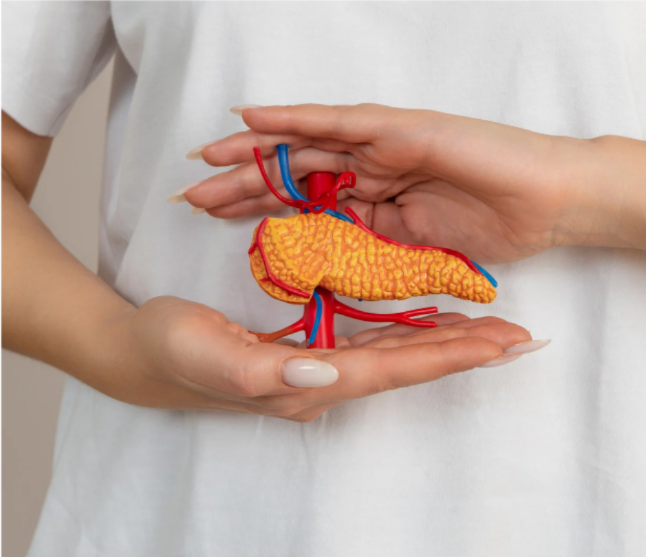
This one does not get talked about nearly enough.
Pancreatic elastase is a stool test that gives us information about your pancreatic function — essentially, whether your pancreas is producing enough digestive enzymes to help break down your food.
If pancreatic enzyme production is insufficient, you may not digest and absorb nutrients from your food properly.
This can potentially contribute to symptoms such as:
bloating
abdominal discomfort
diarrhoea
greasy or difficult-to-flush stools
unexplained weight loss
nutritional deficiencies
Sometimes the problem isn't simply what you're eating. It can be whether you're digesting it properly.
If you're eating a nutritious diet but still experiencing significant digestive symptoms, it's worth considering whether digestion itself needs investigating and then boosting.
Your GP may not routinely think of pancreatic elastase when you're presenting with what looks like IBS — particularly if you don't have obvious pancreatic symptoms.
But in the right person, it can provide another useful piece of the puzzle.
2. Faecal Calprotectin
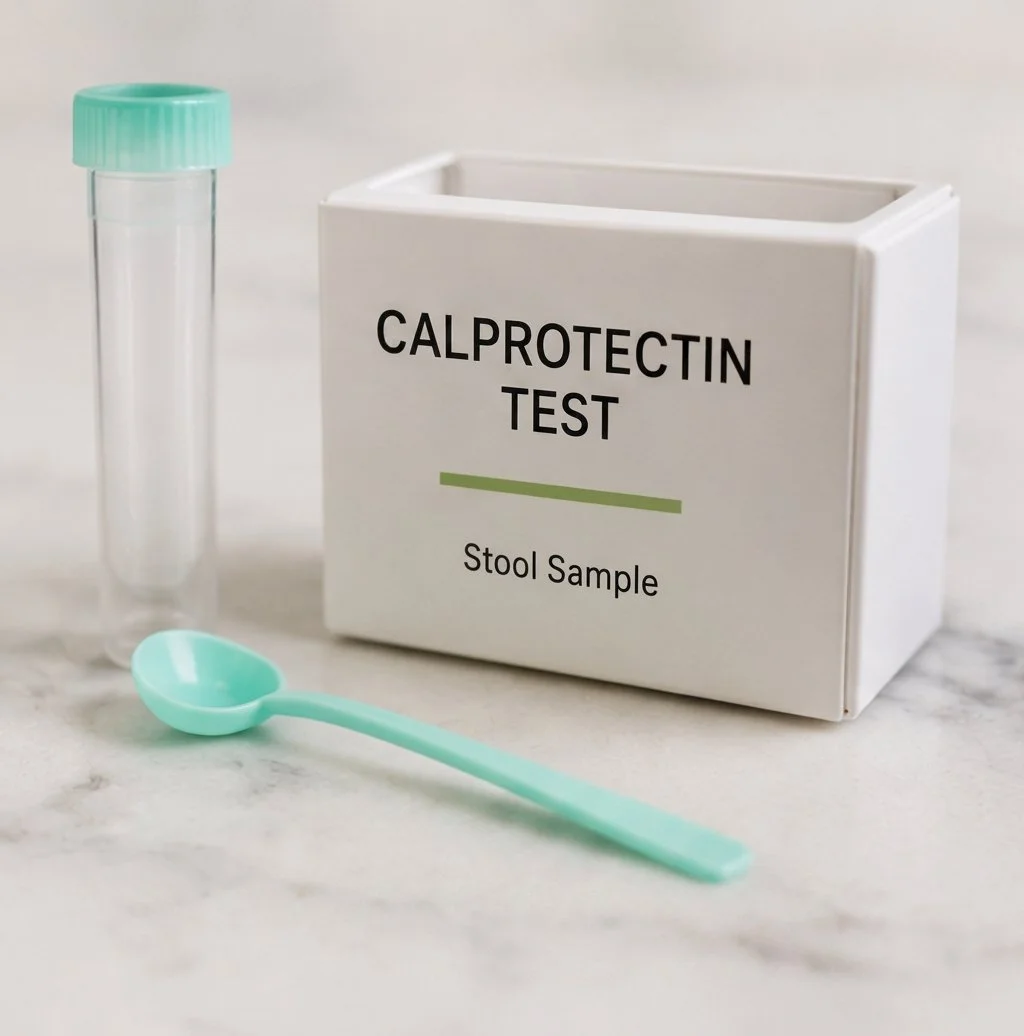
This one is more likely to be ordered than some of the others on this list, but I still don't see it being used routinely enough in people presenting with ongoing IBS-type symptoms.
Faecal calprotectin is a marker of inflammation in the gastrointestinal tract.
This makes it useful when we're trying to distinguish between a functional condition such as IBS and an inflammatory condition such as inflammatory bowel disease (IBD).
It may help your doctor decide whether you need further investigation, such as referral to a gastroenterologist or consideration of endoscopy/colonoscopy.
If you've had ongoing symptoms and have never had inflammatory markers such as calprotectin considered, it's worth asking your doctor whether it's appropriate for you.
1. Coeliac Serology
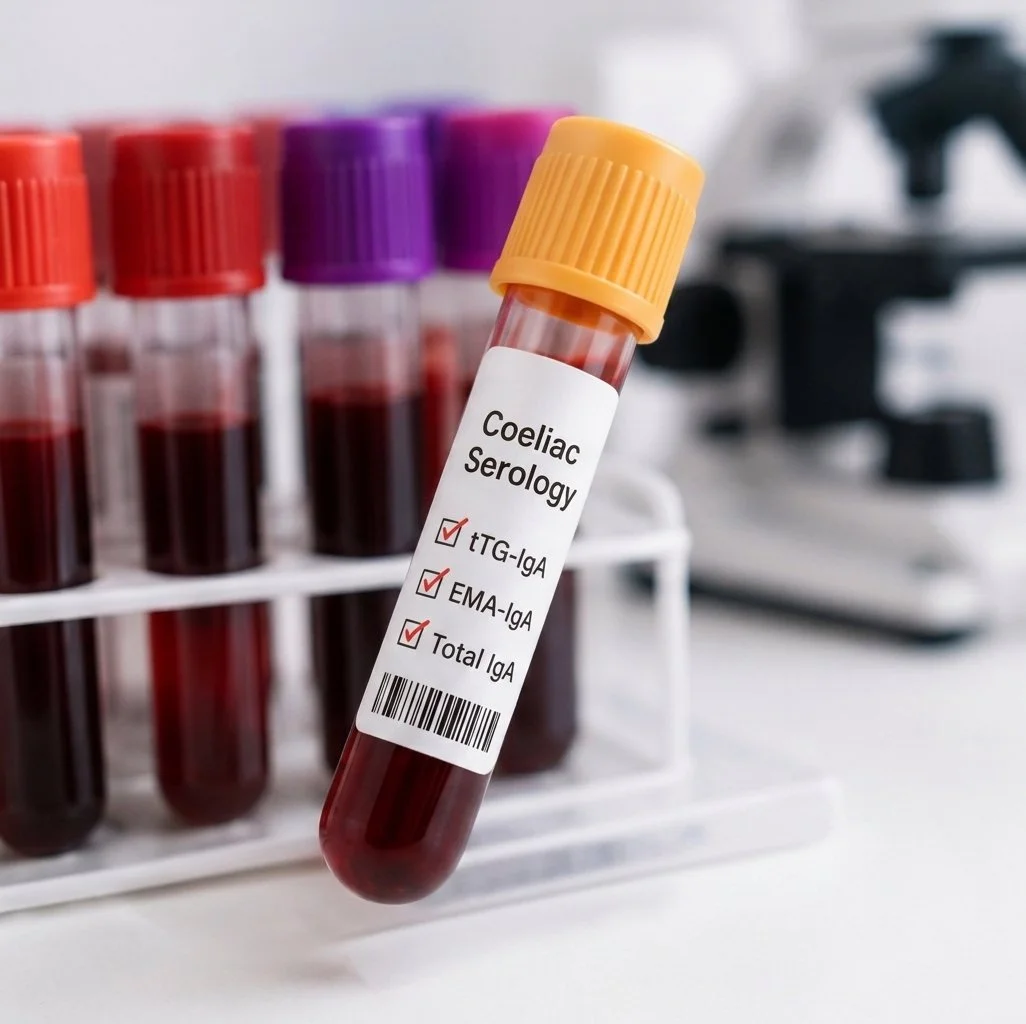
This one may surprise you because your GP absolutely CAN run it.
But I'm putting it at number one because I don't think it is thought about or tested for early enough.
If you have IBS-type symptoms and haven't been tested for coeliac disease, this is a conversation worth having with your doctor before you remove or significantly reduce gluten from your diet. Especially if you have anyone, including cousins, aunties and uncles (not just parents or siblings), with Coeliac disease or any other autoimmune condition, including type 1 diabetes, Hashimoto's, or rheumatoid arthritis.
Why?
Because once you've stopped eating gluten, coeliac blood tests can become inaccurate.
Coeliac Australia recommends that people are still consuming gluten when they undergo coeliac serology. The initial blood testing generally includes tissue transglutaminase IgA and deamidated gliadin IgG.
And here's the other really important point:
You don't need to have extreme pain every time you eat gluten to have coeliac disease.
Coeliac disease is a bit of a clinical chameleon.
Some people have significant digestive symptoms.
Others have very mild gut symptoms — or none at all.
Symptoms can include diarrhoea, constipation, abdominal pain, bloating and gas, but can also include things such as fatigue, iron deficiency, neurological symptoms and unexplained infertility.
So if you've been thinking:
“Gluten doesn't really make my stomach hurt that badly, so I probably don't have coeliac disease.”
…that's not a reliable way to rule it out.
Get tested before you remove gluten.
And remember, a positive coeliac blood test isn't the final diagnosis either. Further medical assessment, often including gastroscopy and small bowel biopsy, may be required.
Want to Understand Your Gut a Little Better?
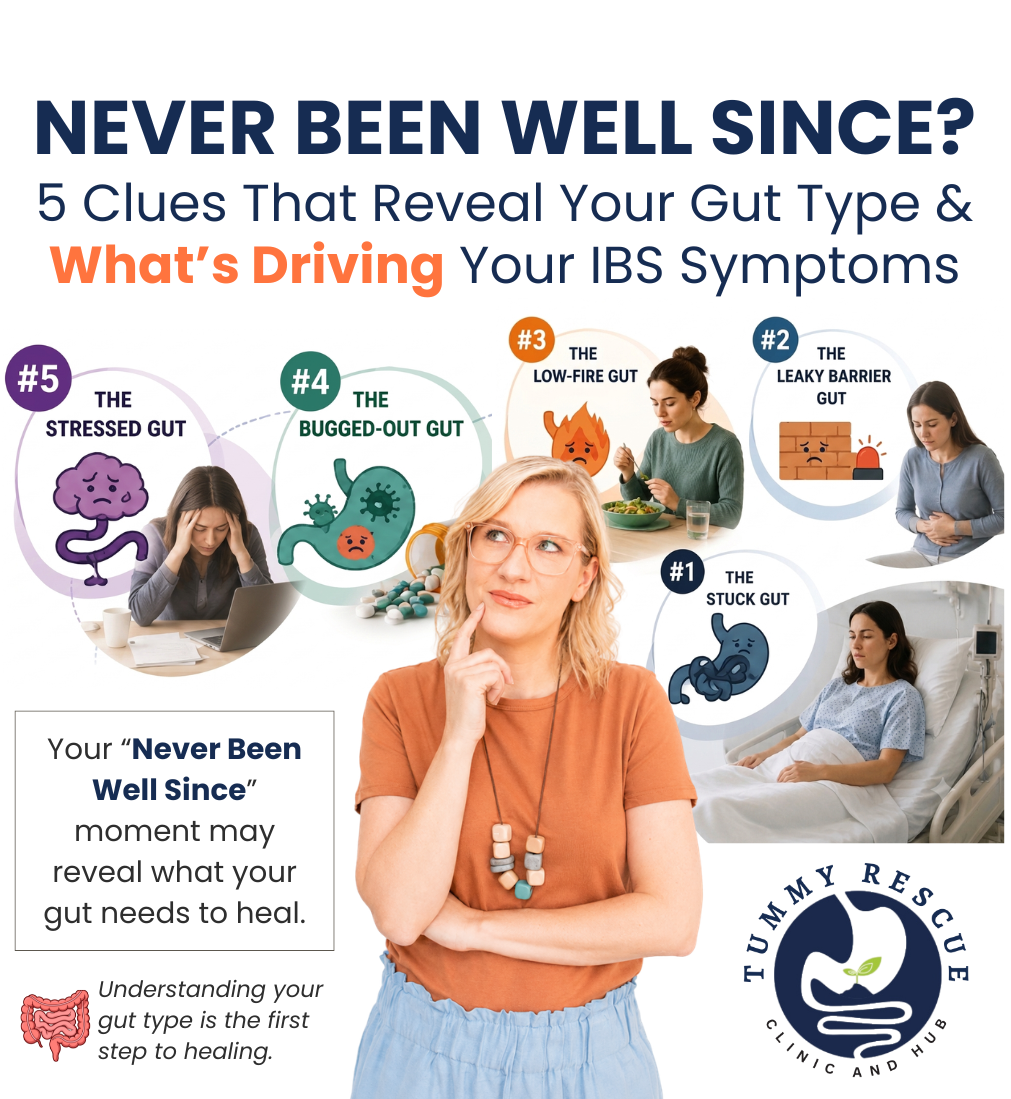
If you're wondering whether your symptoms point towards a particular area of gut dysfunction, you can take my Gut Type Quiz.
It takes just a few minutes and will give you an indication of which of my five gut types your symptoms most closely fit — and where you may need to focus first.
Or, if you'd rather talk through your symptoms with me, you can book a free 15-minute Gut Chat.
We'll look at what's been happening, what you've already tried and whether I might be able to help.
More articles you might love:




Download my FREE E-book: 5 ways to reduce your bloating, pain & gas ☝️☝️☝️

The heartbeat
behind the work! 💚✨
🌿
I am Danielle Elliott a qualified Naturopath and the owner of Tummy Rescue.
I have been helping kids & adults improve their health for over 20 years, with the last 16 years concentrating on helping patients with any kind of gut disorder. I began focussing on everything gut related after my husband was diagnosed with Crohn’s Disease. And lucky I did……as my husband and both our kids have Coeliac Disease and my daughter has a dairy protein allergy.
So…. I am well and truly where I am meant to be!
I love being able to help people to soothe and calm their symptoms, investigate the causes and support and improve their gut function.
I also get to write educational pieces to train practitioners and am often interviewed for podcasts and summits, which is another really rewarding part of my work. I love educating people (this is something I do in every consult), because I do believe knowledge is power. It gives you the tools to make the changes you need to!
So, when you opt-in to my E-book, you are beginning on a journey of learning and discovery, of how you can reduce your symptoms of bloating, gas & pain and improve your gut health.
I would be honoured to help you along the way.
Danielle ✖️🧡✖️🧡