Was Your IBS Diagnosed Correctly? Why you shouldn’t just accept this label
I see this almost daily in my Adelaide Naturopathic Gut Clinic.
A client comes in with a history of bloating, abdominal pain, irregular bowel movements, food sensitivities, or fatigue… and they’ve been told they have IBS (irritable bowel syndrome).
No testing. No investigation. No deeper questioning. Just a label based on symptoms alone.
And honestly—it’s not good enough.
Irritable Bowel Syndrome (IBS) is what we call a functional condition. It should be diagnosed based on symptoms and after structural or cellular diseases have been ruled out. There is no one test that tells us you have IBS, and here’s the problem with this situation: many other conditions can present with the exact same symptoms.
So before accepting an IBS diagnosis, we need to ask a very important question:
IBS Is a Diagnosis of Exclusion
A true IBS diagnosis should only be given after other potential causes have been investigated and excluded.
What concerns me is how often patients are diagnosed as having IBS without even basic screening. No blood tests. No stool analysis. No consideration of family history.
This means that more serious or treatable conditions may be missed entirely. And this is where I start with clients, with a detailed, full health history, ensuring nothing has been missed.
What Should Be Ruled Out Before Diagnosing IBS?
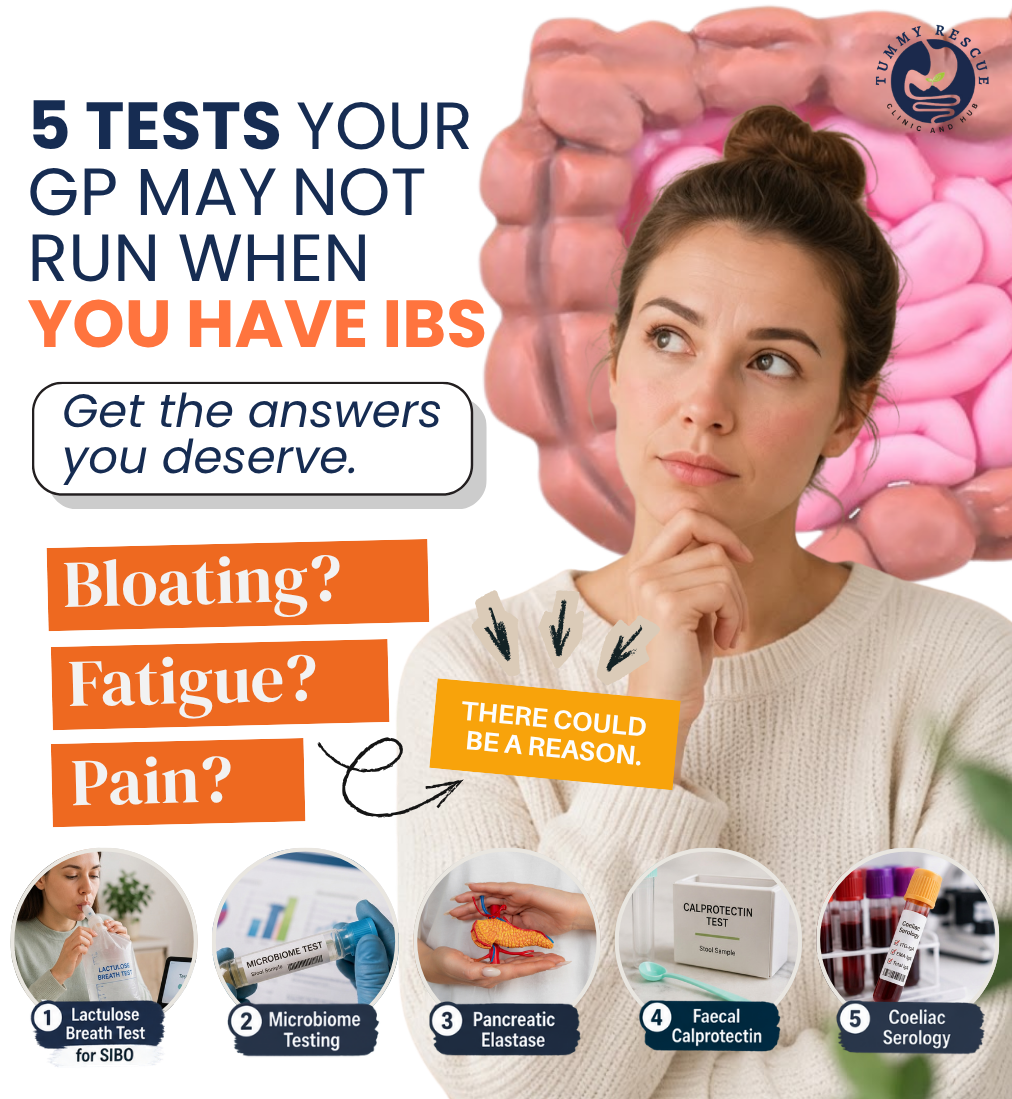
1. General Blood Tests: The Foundation That’s Often Missed
Basic blood work can provide a wealth of information and should always be the starting point.
This includes markers that can reveal:
Nutrient deficiencies (iron, B12, folate)
Signs of inflammation
Liver and gallbladder function
Thyroid imbalances
These clues can help guide further investigation. For example, unexplained iron deficiency may point toward malabsorption, chronic inflammation, or even bleeding within the digestive tract. Again, I often see people with low iron told to buy a supplement- that’s it.
Skipping this step means missing critical pieces of the puzzle.
2. Coeliac Disease: Test Before Removing Gluten
One of the biggest mistakes I see is patients removing gluten before being tested for coeliac disease. This is often because their practitioner offered no more help or answers and they are left on their own to solve their gut puzzle.
Coeliac disease is an autoimmune condition where gluten triggers damage to the small intestine. It can present with classic digestive symptoms—or more subtle signs like fatigue, nutrient deficiencies- like iron, skin issues, or brain fog.
If gluten is removed before testing, results can come back falsely negative, leaving the condition undiagnosed.
Coeliac disease must always be ruled out properly before eliminating gluten.
3. Inflammatory Bowel Disease (IBD) and Bowel Cancer
Symptoms like diarrhoea, abdominal pain, urgency, and even bloating can overlap between IBS and more serious conditions such as:
Crohn’s disease
Ulcerative colitis
Bowel cancer
A thorough case history is essential here, especially when reviewing:
Family history (even cousins)
Unintentional weight loss
Blood or mucus in the stool
Persistent fatigue
Even starting with simple, non-invasive testing—such as blood markers and a comprehensive stool PCR—can help identify whether further investigation is needed.
4. Diverticular Disease: Often Overlooked
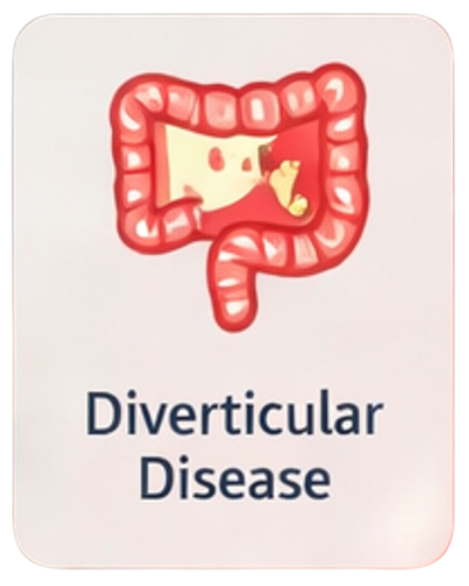
Diverticular disease is more common than many people realise, particularly as we age. It is another condition I have seen missed in my patients and left undiagnosed and untreated leaves people feeling awful and can be quite serious.
It can cause:
Abdominal pain (often left-sided and lower)
Bloating
Changes in bowel habits
When inflammation is present (diverticulitis), symptoms may also include:
Fever
Chills or a “flu-like” feeling
In these cases, imaging such as an ultrasound or X-ray may be appropriate to confirm the diagnosis.
Why This Matters So Much
When IBS is diagnosed without proper investigation, two main things happen, the real cause continues to be missed, which could end up having serious health consequences. Number two- most standard care gives the label of IBS, and says you need to learn to manage it, which in a way, leaves you no better off.
But if I know the correct things have been ruled out, then IBS is just the start for me and the work I do…
The Bigger Picture: IBS Is Often a Starting Point, Not a Final Answer
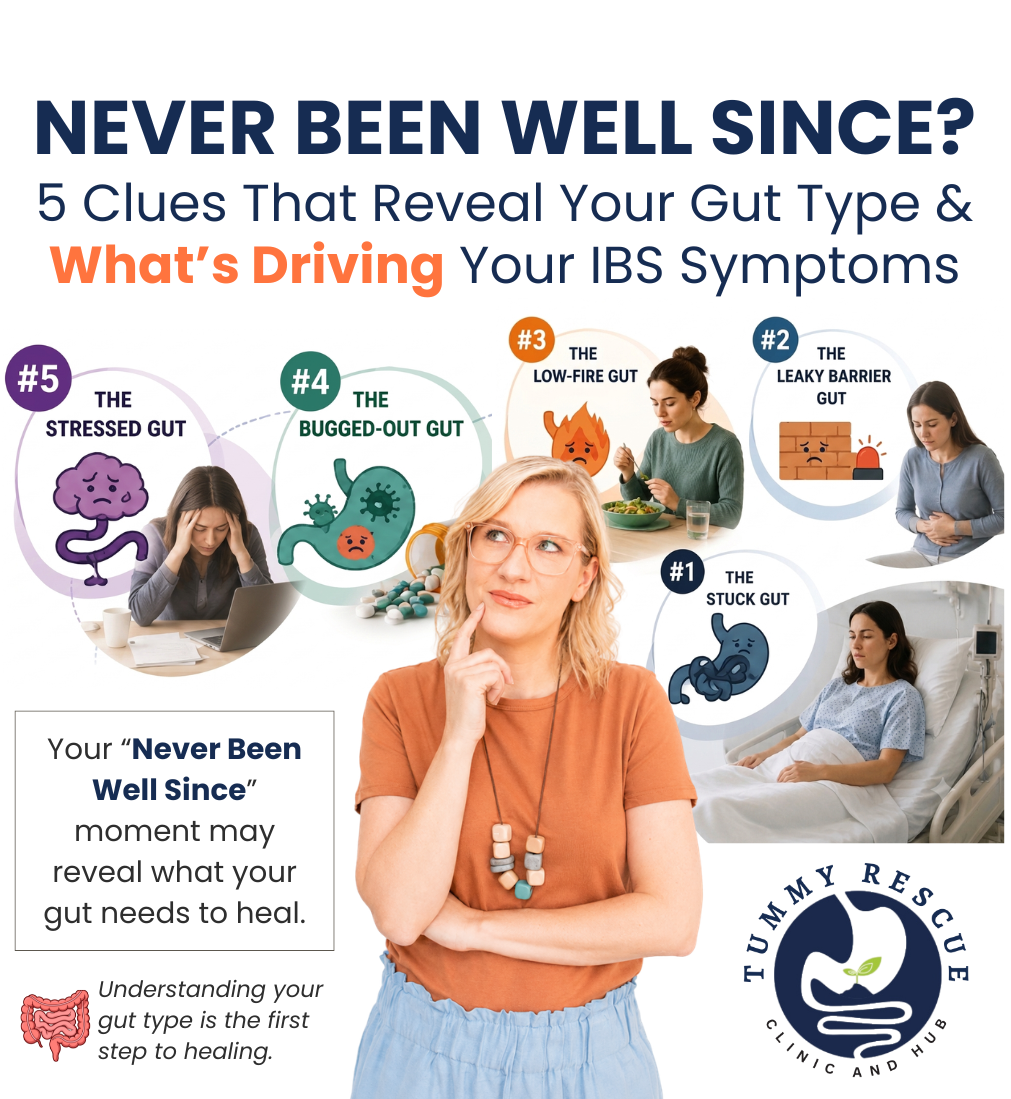
In many cases, IBS is not the true diagnosis—it’s telling us there is a functional disorder in the gut and now we need to work together to find out what is functioning poorly and what is driving this. This is where my full case history taking, seeing every symptom as important, guides us to your IBS Gut Type and what your gut needs first.
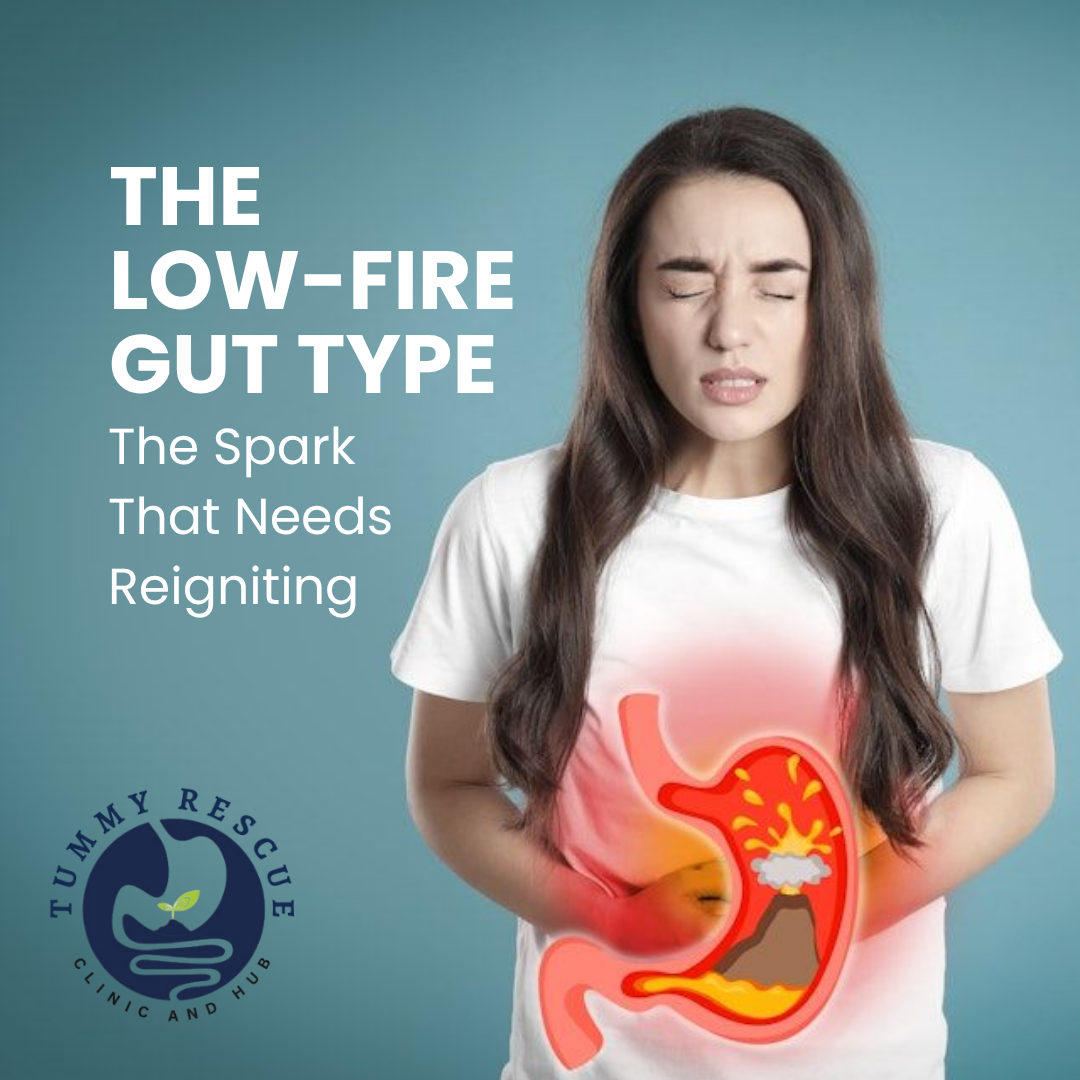
Then we look at what is causing the Gut Type. For example, you may be the low-fire gut type, meaning you have weak digestion. We will need to support this and look for the cause: is it a history of excess and prolonged stress, could it be a medication or do your bloods reveal nutritional deficiencies weakening the production of enzymes.
This is just one example of the 5 Gut Types I have identified after 20 years in clinic, helping people resolve their gut issues.
If you are ready to have more answers than questions then, take the first step below:
More articles you might love:


Download my FREE E-book: 5 ways to reduce your bloating, pain & gas ☝️☝️☝️

The heartbeat
behind the work! 💚✨
🌿
I am Danielle Elliott a qualified Naturopath and the owner of Tummy Rescue.
I have been helping kids & adults improve their health for over 20 years, with the last 16 years concentrating on helping patients with any kind of gut disorder. I began focussing on everything gut related after my husband was diagnosed with Crohn’s Disease. And lucky I did……as my husband and both our kids have Coeliac Disease and my daughter has a dairy protein allergy.
So…. I am well and truly where I am meant to be!
I love being able to help people to soothe and calm their symptoms, investigate the causes and support and improve their gut function.
I also get to write educational pieces to train practitioners and am often interviewed for podcasts and summits, which is another really rewarding part of my work. I love educating people (this is something I do in every consult), because I do believe knowledge is power. It gives you the tools to make the changes you need to!
So, when you opt-in to my E-book, you are beginning on a journey of learning and discovery, of how you can reduce your symptoms of bloating, gas & pain and improve your gut health.
I would be honoured to help you along the way.
Danielle ✖️🧡✖️🧡