Festive Season IBS Flares: What’s Really Going On & My Top 2 Soothing Gut Tips

If your gut has been feeling a little overwhelmed since Christmas and New Year — more bloating than usual, unpredictable bowels, or that familiar post-meal pressure — you’re absolutely not alone.
The first week of January is when so many of my patients suddenly realise, “Whoa… my digestion is not loving this.”
And before we go any further, let me say this clearly:
This is not because you’ve been “naughty,” “bad,” or “off track” with food.
We should not have to be “perfect” all the time, and when your gut lining is healthy and your digestion is strong, you can enjoy those special times.
Your gut is simply recovering from a chaotic few weeks — late nights, richer foods, more alcohol, less routine, extra stress, extra socialising — and IBS, being the sensitive little creature it is, reacts quickly.
Lets look at 5 common causes for flares are this time of year PLUS easy tips you can start today to begin soothing your gut.
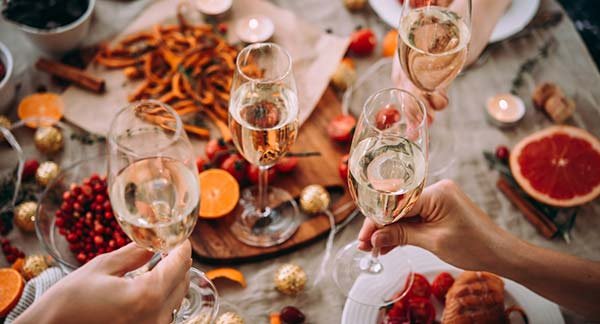
1. Your Routine Disappears — and Your Gut Notices Immediately
Your digestive system thrives on predictable rhythms: consistent meal timing, regular sleep, water intake, movement, and a stable stress load.
During the festive season, every one of those rhythms tends to unravel.
Maybe you’re staying up later, grabbing whatever food is available, eating at odd times, or going long stretches without real meals. Even the simple act of grazing all afternoon throws off the normal rest-and-digest cycles your gut relies on.
When your internal clock starts getting mixed signals, motility slows or becomes irregular. Food sits longer, fermentation increases, and suddenly the jeans you wore comfortably last week are much harder to zip up.
This disruption doesn’t just cause bloating — it can magnify pain, increase sensitivity, and even set the stage for constipation or rebound diarrhoea once January hits.
2. Alcohol Changes Digestion in More Ways Than People Realise
A lot of people think alcohol only impacts the liver or the brain, but it has very real, very immediate effects on the gut.
Alcohol can:
irritate and inflame the gut lining, hello pain
reduce stomach acid production (meaning you don’t break food down properly)
dehydrate the bowel
slow or speed up motility
alter the balance of your microbiome (bacteria balance)
Combine that with sugary mixers, bubbles, or cocktails and you’ve created the perfect environment for excess gas production and bloating.
Even “just a drink or two” each day over the holidays builds up. It’s often not the amount — it’s the frequency. So even having a couple of alcohol free days a week can help.
3. Festive Stress Keeps You Out of ‘Rest & Digest’ Mode
Even when you're excited, stress is still stress, because your gut does not really know the difference .
December tends to pull us into a more constant fight-or-flight state: organising events, managing family dynamics, finishing work deadlines, late nights, bigger crowds, more noise.
When your nervous system is dialled up, digestion becomes an afterthought. Blood flow shifts away from the digestive organs, enzyme production drops, and the gut can’t carry out it’s normal functions optimally.
This is why foods you normally tolerate suddenly feel like they “don’t agree with you” — your gut isn’t equipped to handle them in that moment, even if nothing about the food has changed.
4. Rich, Heavy Foods Slow Everything Down
Higher-fat, richer foods are delicious… but they do require more time and work to be broken down.
They slow stomach emptying, which means food stays in the gut longer, creating more opportunity for fermentation and gas production — especially if your enzymes aren’t firing well, or if motility is already sluggish due to stress or disrupted routines.
Add to this the grazing-style eating that happens at parties (a bite here, a nibble there, hours between proper meals) and your gut never gets the full reset it needs between digestive cycles. Our gut used something called the migrating motor complex to clean out the small intestine when we don’t eat for 90 minutes or longer.
Without this normal process, in someone with an already sensitive gut, this can quickly turn into heightened symptoms. The uncomfortable trapped-gas sensation under the ribs, mid-afternoon bloating, or pain that seems to “appear out of nowhere.”
5. Hidden Sensitivities Become Harder to Avoid
December often means eating foods you don’t normally have during the year.
Creamy desserts, cheeses, bread-based canapés, sauces with extra onion or garlic, chocolates, baked gluten-containing treats.
Even small amounts of a food sensitivity — gluten, lactose, certain FODMAPs — can trigger significantly more bloating or pain if your gut is already stressed, tired or inflamed.
So it’s often a combination effect, not a single food causing the symptoms. The festive season makes it nearly impossible to isolate triggers, and the gut’s tolerance drops the more pressure it’s under.
Two Simple Ways to Soothe IBS Symptoms After the Festive Season
From my free booklet 5 Ways to Reduce Your Bloating, Pain & Gas, these two strategies are gentle enough for everyone and incredibly effective during the festive fallout period.
TIP 1: Mindful Meals — Reset Your Body Into Digest Mode
This is honestly one of the most powerful tools I teach patients and members, because it directly changes how the brain signals your digestive organs to work.
Digestion begins with the brain shifting into a “yes, we’re eating now” state.
If your body thinks it’s still rushing around, stressed or distracted, it won’t release the saliva, stomach acid or enzymes you actually need. That’s when food sits too long, feels heavy, or causes bloating shortly after eating.
Try this for your next 3–5 meals:
Sit down at a table
Take 3–5 slow, steady breaths
Let your shoulders soften
Keep your phone or laptop away
Chew until the food is soft, this can mean 20-30 chews for hard foods
It sounds simple, but it’s a clinically powerful shift. Your gut will digest better, move better and react less — even without changing what you’re eating.
TIP 2: Carminative Tea — A Beautiful, Gentle Post-Meal Soother
This seed-based tea blend is a classic naturopathic remedy for a reason.
Caraway, fennel and anise contain volatile oils that relax the smooth muscles of the gut, ease spasms, and help trapped gas move through instead of sitting painfully in pockets.
You only need to drink it slowly after meals to feel the difference.
How to make it:
Mix equal parts:
Caraway seeds
Fennel seeds
Anise seeds
Crush 1–2 teaspoons, steep in hot water covered for 10–15 minutes, then sip.
This is perfect for those post-lunch or late-afternoon bloating flares.
Want the Full Set of Gut-Calming Tools?
If your IBS symptoms are still flaring post-Christmas or you want a practical plan for settling your gut before the year ramps up, you can grab my free guide:
👉 “5 Ways to Reduce Your Bloating, Pain & Gas”
Inside you’ll find:
three additional naturopathic tools
simple digestive supports
how stress impacts the gut lining & microbiome
realistic, easy steps to get symptoms down quickly
It’s short, practical and genuinely helpful — especially this time of year.
Download my FREE E-book: 5 ways to reduce your bloating, pain & gas ☝️☝️☝️
More articles you might love:
Or if you prefer to work with me 1:1, book a FREE discovery call here:

The heartbeat
behind the work! 💚✨
🌿
I am Danielle Elliott a qualified Naturopath and the owner of Tummy Rescue.
I have been helping kids & adults improve their health for over 20 years, with the last 16 years concentrating on helping patients with any kind of gut disorder. I began focussing on everything gut related after my husband was diagnosed with Crohn’s Disease. And lucky I did……as my husband and both our kids have Coeliac Disease and my daughter has a dairy protein allergy.
So…. I am well and truly where I am meant to be!
I love being able to help people to soothe and calm their symptoms, investigate the causes and support and improve their gut function.
I also get to write educational pieces to train practitioners and am often interviewed for podcasts and summits, which is another really rewarding part of my work. I love educating people (this is something I do in every consult), because I do believe knowledge is power. It gives you the tools to make the changes you need to!
So, when you opt-in to my E-book, you are beginning on a journey of learning and discovery, of how you can reduce your symptoms of bloating, gas & pain and improve your gut health.
I would be honoured to help you along the way.
Danielle ✖️🧡✖️🧡