Negative SIBO Test but Still Have Symptoms? Here’s What to Do Next from a Gut Naturopath

If your SIBO test has come back negative but your bloating, pain or bowel habits are still completely out of control, you are not imagining things — and you are certainly not alone. Many people find themselves stuck in this confusing place where their symptoms clearly match SIBO, yet their test result says otherwise. In clinic & inside my membership, I see this scenario often, and this is the reality:
A negative SIBO test does not automatically mean SIBO isn’t present, and it definitely doesn’t mean your symptoms aren’t real.
There are several reasons why a breath test can appear “negative” when the underlying issue hasn’t been resolved. And there are just as many reasons why your symptoms may be coming from an entirely different gut imbalance that looks identical to SIBO from the outside.
Let’s break it down clearly so you know exactly what to do next.
Why a Negative SIBO Test Doesn’t Always Mean You Don’t Have SIBO
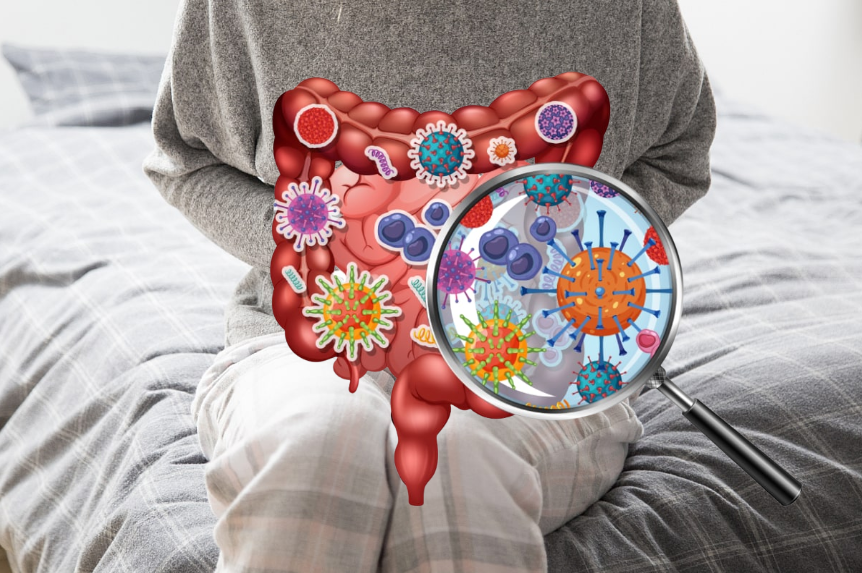
This part often surprises people: breath testing is only as accurate as the preparation, collection method, and interpretation behind it. Not all test kits or laboratories follow the same standards, and even small differences can lead to false negatives.
Different labs may use glucose or lactulose as the test substrate, they may analyse gases differently, and, importantly, they may follow different diagnostic cut-offs. Some still use older consensus guidelines, while others have their own internal criteria for what qualifies as “positive.” A borderline elevation in one laboratory might be considered significant at another.
Preparation also plays a huge role. Diet mistakes, the wrong timing, recent medications or supplements, or even a fast transit time can dramatically affect the outcome.
This is why I regularly see breath test results where the report says “negative,” but once I look at the test values and compare them with the person’s symptoms, history and motility picture, the data tells a different story. I have completed extensive SIBO training, worked for a clinic specialising in SIBO and consulted with patients worldwide, so have seen it all when it comes to testing reports.
Why Self-Interpreting SIBO Tests Often Leads to Confusion
A breath test rarely gives a clean yes-or-no answer. Instead, it produces a pattern — and that pattern needs to be interpreted within context by a professional. Some people see a slight rise in gases or a flat line and assume it means the test is clear. But mild early hydrogen rises, subtle methane patterns, or unusually low readings can all indicate something that the report itself doesn’t flag as positive.
This is where working with a practitioner changes everything. A trained eye can recognise borderline patterns, flat lines suggestive of other types of SIBO, and subtle elevations that point toward early or partial SIBO. Without that understanding, many people mistakenly rule SIBO out when it’s still highly likely to be present.
So a negative report does not necessarily equal a truly negative test — it may simply mean it wasn’t interpreted in the right clinical context.
If It’s Not SIBO, What Else Could Be Causing Your Symptoms?
Even when your SIBO test is accurate and genuinely negative, the symptoms you’re dealing with don’t just disappear. Bloating, gas, constipation, diarrhoea and abdominal discomfort can come from several other root causes that mimic SIBO almost exactly.
Large Bowel Dysbiosis
One of the most common SIBO lookalikes is dysbiosis in the large intestine. I have a whole masterclass & resources for this inside the Tummy Rescue Hub. This is when the microbial balance in the colon becomes disrupted — either too few beneficial species, too many opportunistic ones or an imbalance in fermentation activity. The symptoms can be identical to SIBO because the fermentation still creates gas, pressure and bloating. A high-quality microbiome stool test (not the basic GP panel) is needed to identify this pattern properly. Again you want to make sure you are using trusted and accurate testing and prepare correctly.
Small Intestinal Fungal Overgrowth (SIFO)
Fungal overgrowth in the small intestine is far more common than most people realise, yet it’s rarely discussed or tested for. Symptoms like bloating, fatigue, brain fog, sugar cravings and reactions to high-carbohydrate meals can strongly indicate SIFO. This pattern does not show up on a SIBO breath test. Instead, it’s best assessed using an Organic Acids Test (OAT), which picks up markers suggestive of fungal or yeast overgrowth. Studies suggest that 3 out of 5 people with SIBO also have SIFO.
Gut Motility Disorders
Slow or impaired motility can mimic SIBO symptoms even in the absence of bacterial overgrowth. When the intestine isn’t clearing food remnants and gas efficiently, pressure builds up, leading to bloating, distension, nausea and constipation. Motility issues can stem from stress, sympathetic dominance, vagus nerve dysfunction, post-infectious changes, adhesions, medication use or low stomach acid — and if the underlying motility isn’t addressed, symptoms will continue regardless of your breath test result.
Why Working With an Experienced Practitioner Matters
Trying to piece all of this together by yourself is overwhelming — and often expensive & messy. It’s incredibly easy to bounce between self-testing, supplements, restrictive diets and online advice without ever getting to the root of what’s really happening.
Working with a practitioner brings clarity and direction. You get accurate testing, proper interpretation, and a personalised plan that addresses your specific root causes. Instead of repeating the wrong tests, wasting money on supplements you don’t need and second-guessing every symptom, you get a clear roadmap that saves time, money and stress.
Inside my Tummy Rescue Hub, I help people make sense of these confusing symptoms by identifying whether SIBO, SIFO, dysbiosis, motility issues, low stomach acid or immune-driven gut reactions are actually responsible. Once we identify the real cause, the plan becomes simple — and effective.
If you want to know when the doors open again, you can pop your name down on the waitlist:
Or if you prefer to work with me 1:1, you can book a FREE discovery call here:
More articles you might love:


Want 5 quick ways to beat bloating, pain, and gas?
Grab your FREE e-book now! 📘✨
This guide is super easy to follow, so you can start making changes today and feel relief fast.
Don’t put up with discomfort any longer — your gut will thank you! 🙌💛
Download my FREE E-book: 5 ways to reduce your bloating, pain & gas ☝️☝️☝️

The heartbeat
behind the work! 💚✨
🌿
I am Danielle Elliott a qualified Naturopath and the owner of Tummy Rescue.
I have been helping kids & adults improve their health for over 19 years, with the last 15 years concentrating on helping patients with any kind of gut disorder. I began focussing on everything gut related after my husband was diagnosed with Crohn’s Disease. And lucky I did……as my husband and both our kids have Coeliac Disease and my daughter has a dairy allergy.
So…. I am well and truly where I am meant to be!
I love being able to help people to soothe and calm their symptoms, investigate the causes and support and improve their gut function.
I also get to write educational pieces to train practitioners and am often interviewed for podcasts and summits, which is another really rewarding part of my work. I love educating people (this is something I do in every consult), because I do believe knowledge is power. It gives you the tools to make the changes you need to!
So, when you opt-in to my E-book, you are beginning on a journey of learning and discovery, of how you can reduce your symptoms of bloating, gas & pain and improve your gut health.
I would be honoured to help you along the way.
Danielle ✖️🧡✖️🧡