Persistently Low Iron? 5 Hidden Gut Issues That Could Be Blocking Your Iron Absorption
Low iron is one of the most common nutrient deficiencies I see in clinic. Many people are told to simply take an iron supplement or eat more iron-rich foods, yet months or even years later their levels are still low.
If this sounds familiar, it’s important to understand that iron deficiency is not always a dietary problem.
In many cases, persistently low iron can be a clue that something deeper is happening in the digestive system. Your gut plays a central role in absorbing, regulating, and maintaining iron levels, so when gut function is compromised, iron levels can struggle to recover even when intake is adequate.
For some people, low iron may be the first sign that the gut needs closer attention.
This is why simply increasing iron intake does not always solve the problem. If the underlying cause isn’t addressed, iron levels may continue to drop or rebound only temporarily.
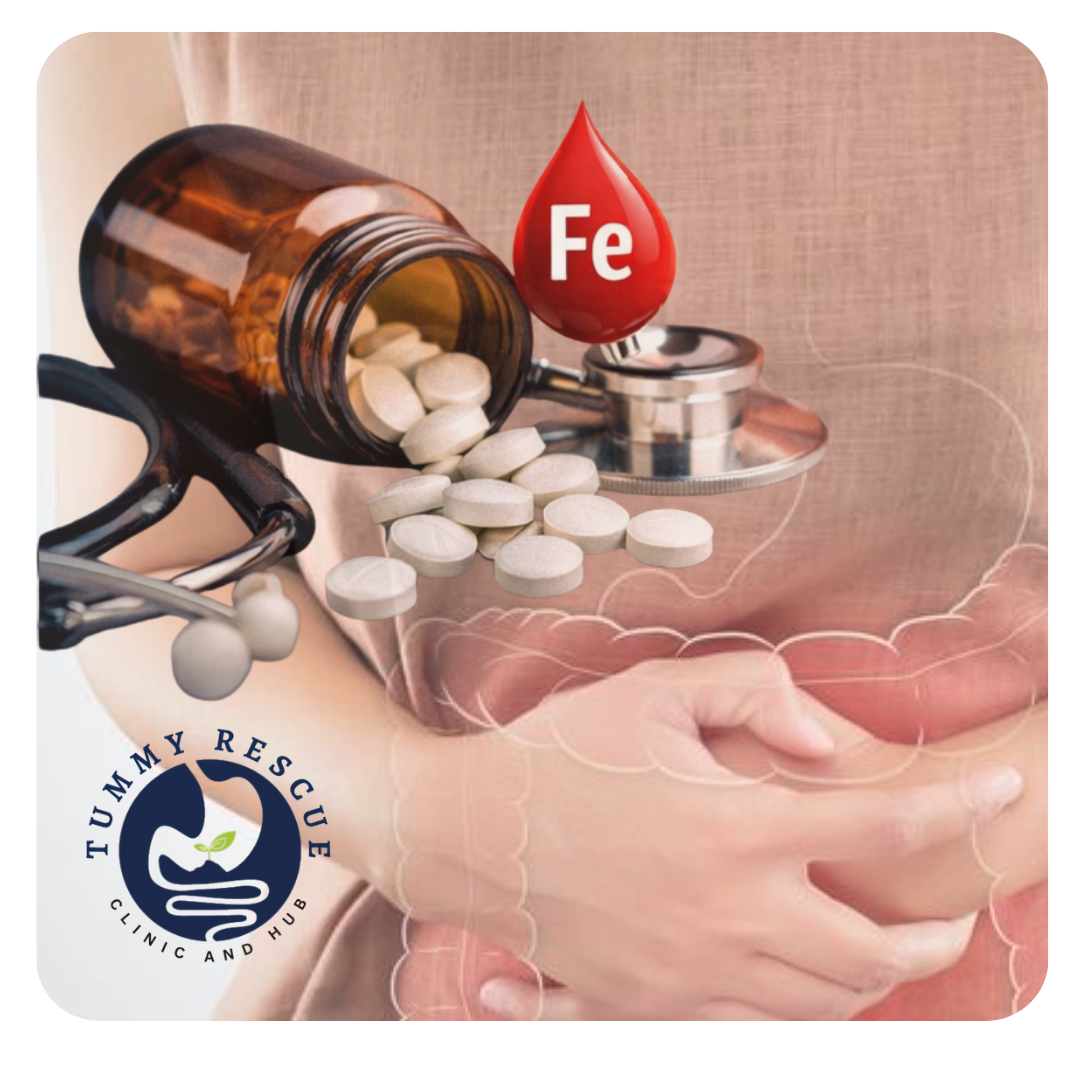
Why Iron Levels Depend on a Healthy Gut
Iron absorption is a surprisingly complex process. It relies on several different parts of the digestive system working properly together.
For iron to be absorbed effectively, your body needs:
Adequate stomach acid to break down iron from food
Healthy digestive enzymes
A well-functioning stomach and small intestine where iron is absorbed
Balanced gut bacteria
Minimal inflammation in the gut lining
If any of these systems are disrupted, iron absorption can suffer.
This means someone can be eating a healthy diet, including iron-rich foods, and still struggle with low levels if their digestive system isn’t functioning well.
When iron deficiency becomes persistent or keeps returning, it’s often a sign that the root cause hasn’t yet been identified.
The Top 5 Gut-Related Causes of Persistently Low Iron
5. Low Stomach Acid (Hypochlorhydria)
Stomach acid plays a critical role in releasing iron from food so that it can be absorbed further down the digestive tract. When stomach acid is too low, iron may not be properly broken down or converted into a form that the body can absorb.
Low stomach acid becomes more common with:
Chronic stress
Long-term antacid or reflux medication use
Digestive dysfunction
Age-related changes in digestion
Many people with low stomach acid also experience symptoms such as bloating, reflux, or feeling overly full after meals.
4. Damage to the Gut Lining (Coeliac Disease or IBD)
The majority of iron absorption takes place in the upper part of the small intestine.
If this part of the gut becomes inflamed or damaged, iron absorption can drop significantly.
Two important conditions that can contribute to this include:
Coeliac disease, where gluten triggers immune damage to the small intestine
Inflammatory bowel disease (IBD) such as Crohn’s disease which can damage the gut lining from top to bottom.
In some people, iron deficiency may be one of the earliest signs of these conditions.
This is why persistently low iron should always be properly investigated rather than simply treated with supplements alone.
3. Chronic Gut Inflammation
Inflammation in the digestive system can interfere with iron metabolism in several ways.
When the body is inflamed, it produces a hormone called hepcidin, which reduces iron absorption and traps iron in storage. This means iron may technically be present in the body but not available for use.
Chronic gut inflammation may be triggered by:
Food reactions
Microbial imbalances
Ongoing digestive irritation
Immune activity in the gut lining
Over time, this inflammatory environment can make it difficult for iron levels to recover.
2. Small Intestinal Bacterial Overgrowth (SIBO)
SIBO occurs when bacteria grow in excessive numbers in the small intestine.
These bacteria can interfere with nutrient absorption in several ways:
Competing for nutrients like iron
Damaging the gut lining
Increasing inflammation
Disrupting normal digestive processes
Many people with SIBO experience symptoms such as bloating, gas, abdominal discomfort, and changes in bowel habits. Many people with SIBO have nutrient deficiencies including iron.
1. Endometriosis
For people born female, endometriosis is a very important but often overlooked contributor to low iron.
Endometriosis can contribute to iron deficiency through several mechanisms:
Heavy or prolonged menstrual bleeding, excessive loss of iron
Chronic inflammation, reducing absorption of iron
Gut involvement when endometrial tissue affects the bowel
Digestive symptoms that interfere with absorption
Because endometriosis and IBS symptoms often overlap, many people may not realise that both conditions could be contributing to their ongoing iron issues. If heavy periods and digestive symptoms occur together, this is an important clue that further investigation may be needed.
When Low Iron Should Be Investigated Further
Iron deficiency should always be taken seriously, particularly if it is:
Persistent
Returning after treatment
Unexplained
Occurring alongside digestive symptoms
Simply topping up iron stores without understanding why the deficiency developed in the first place can delay identifying an underlying gut issue.
The good news is that when the root cause is addressed, iron levels often become much easier to restore and maintain.
Ready to Get to the Root Cause of Your Low Iron?
If you’ve been struggling with persistently low iron, it’s worth remembering that simply topping up iron levels is often only part of the story.
As you’ve seen, iron deficiency can sometimes be a clue that something deeper is happening in the gut — whether that’s low stomach acid, inflammation, microbial imbalances like SIBO, or underlying conditions affecting digestion and absorption.
This is exactly why I created the Tummy Rescue Hub.
Inside the Hub, we go deeper into all of the root causes discussed in this article and provide guidance on how to investigate and support them properly.
Members get access to:
Masterclasses on key gut health conditions such as SIBO, inflammation and digestive dysfunction
Practical cheat sheets that break down complex gut topics into easy-to-follow guidance
Practitioner-designed protocols to help support areas such as low stomach acid and digestive function
Tools and assessments to help you identify your unique gut pattern
If you suspect your iron levels may be linked to underlying gut issues, the Hub is designed to help you understand what may be happening in your body and where to focus next.
You can join the waitlist here to be the first to know when doors open:
🌿Prefer 1:1 Support?🧡
If you’re dealing with ongoing iron deficiency, digestive symptoms, or suspect there may be a deeper gut issue involved, personalised support can help uncover what’s really going on.
In a free 15-minute discovery call, we can briefly discuss your symptoms, your health history, and whether working together might be the right next step for you.
You can book your discovery call here:
More articles you might love:

Download my FREE E-book: 5 ways to reduce your bloating, pain & gas ☝️☝️☝️

The heartbeat
behind the work! 💚✨
🌿
I am Danielle Elliott a qualified Naturopath and the owner of Tummy Rescue.
I have been helping kids & adults improve their health for over 20 years, with the last 16 years concentrating on helping patients with any kind of gut disorder. I began focussing on everything gut related after my husband was diagnosed with Crohn’s Disease. And lucky I did……as my husband and both our kids have Coeliac Disease and my daughter has a dairy protein allergy.
So…. I am well and truly where I am meant to be!
I love being able to help people to soothe and calm their symptoms, investigate the causes and support and improve their gut function.
I also get to write educational pieces to train practitioners and am often interviewed for podcasts and summits, which is another really rewarding part of my work. I love educating people (this is something I do in every consult), because I do believe knowledge is power. It gives you the tools to make the changes you need to!
So, when you opt-in to my E-book, you are beginning on a journey of learning and discovery, of how you can reduce your symptoms of bloating, gas & pain and improve your gut health.
I would be honoured to help you along the way.
Danielle ✖️🧡✖️🧡